
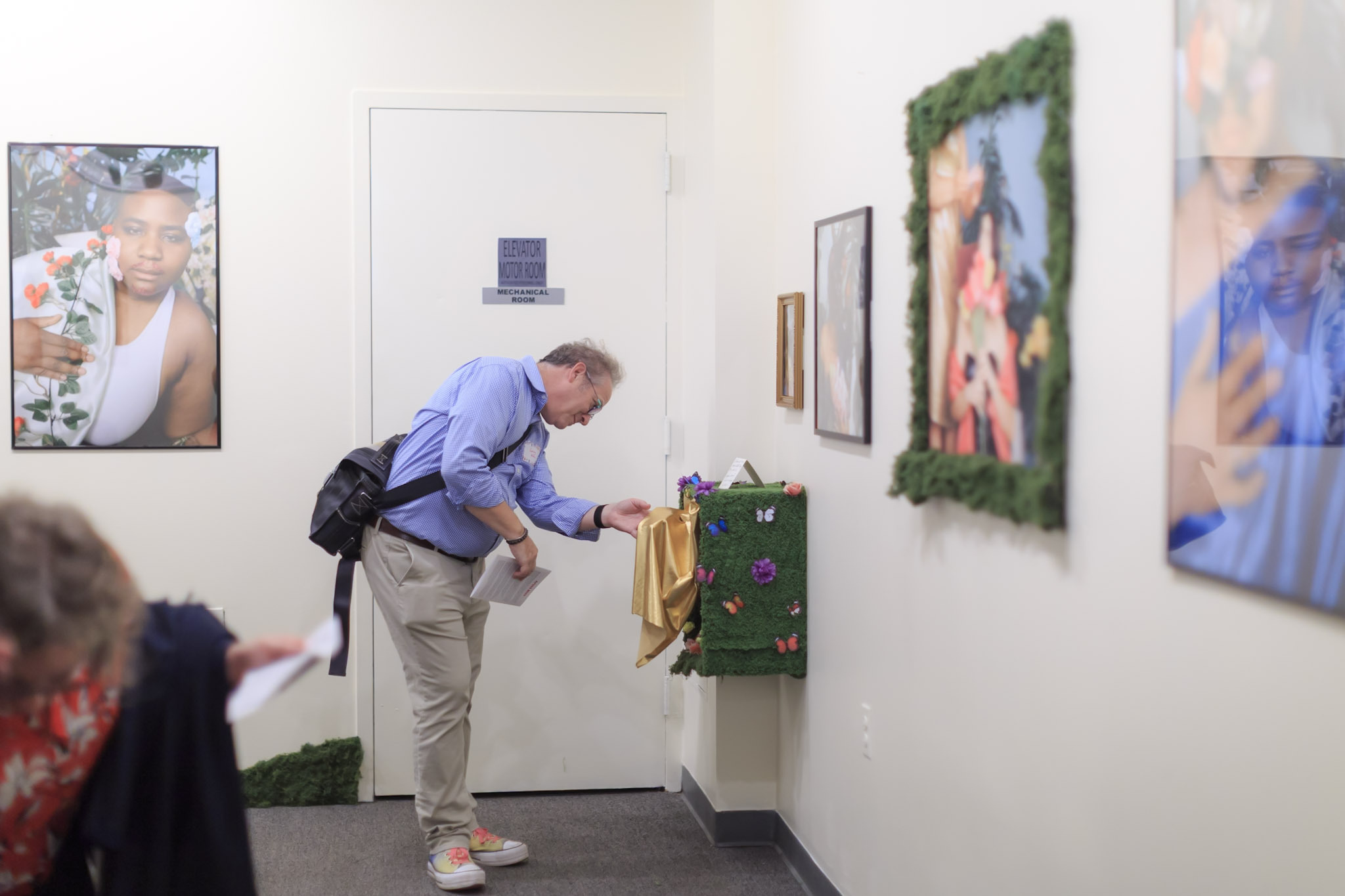
“LGBTQ+ Jews of Color are a historic, yet long underrepresented, part of Jewish life. While our stories have often been overlooked, our existence cannot and will not be erased. Flowers for Our People affirms that every person is created B’tzelem Elohim, in God’s image, and that uplifting the full diversity of Jewish life is holy and central to our tradition. This work rests on the belief that even within the most ancient, sacred texts, there is space for every soul to be reflected in its teachings. May this work serve as a source of representation for those too often overlooked, honoring the truth that every identity and every experience reveals the divinity among us.”
– Sage Cassell-Rosenberg,
Keshet Jews of Color Program Senior Manager
By Saffron Mala Kaplan
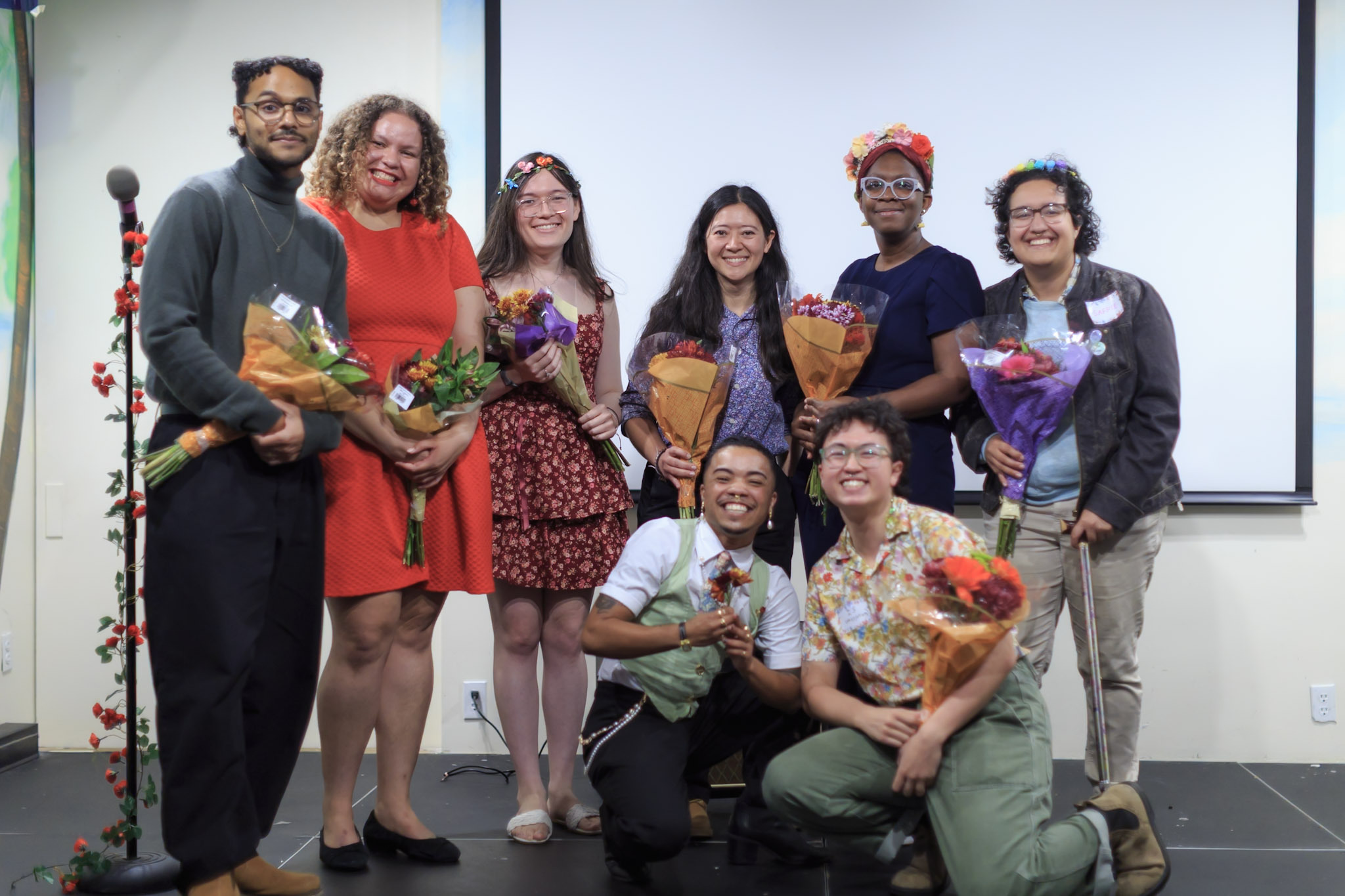
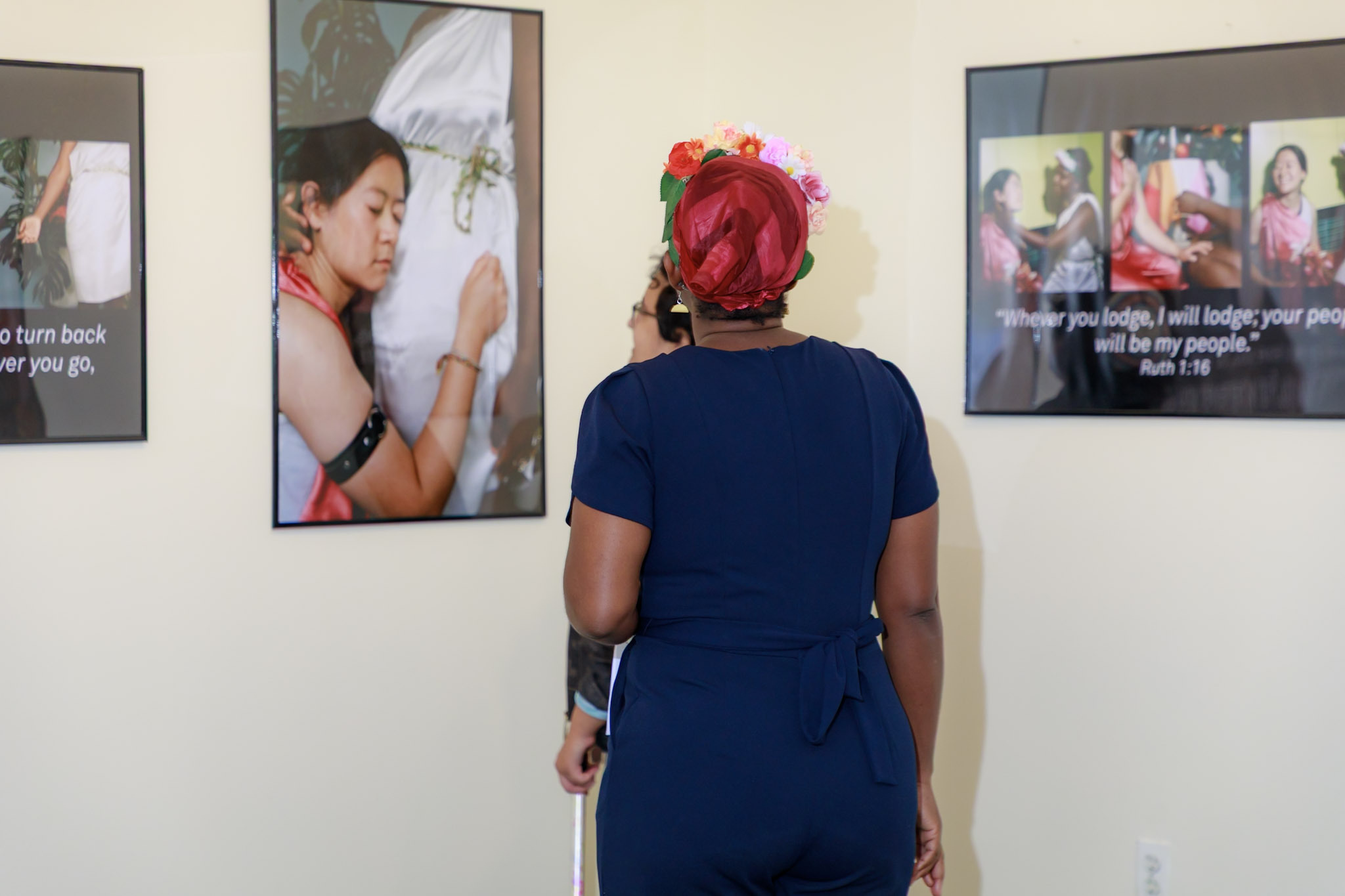
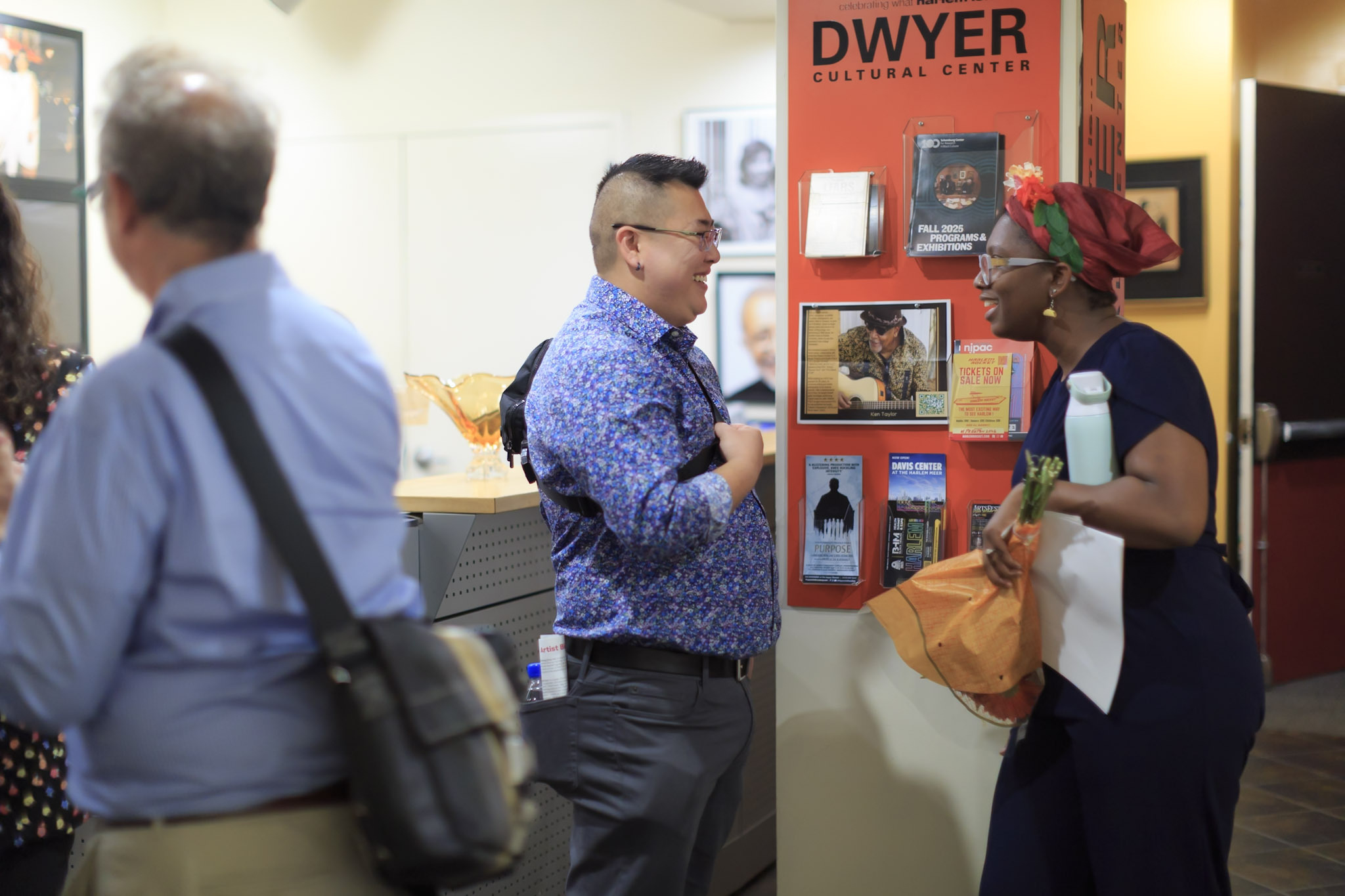
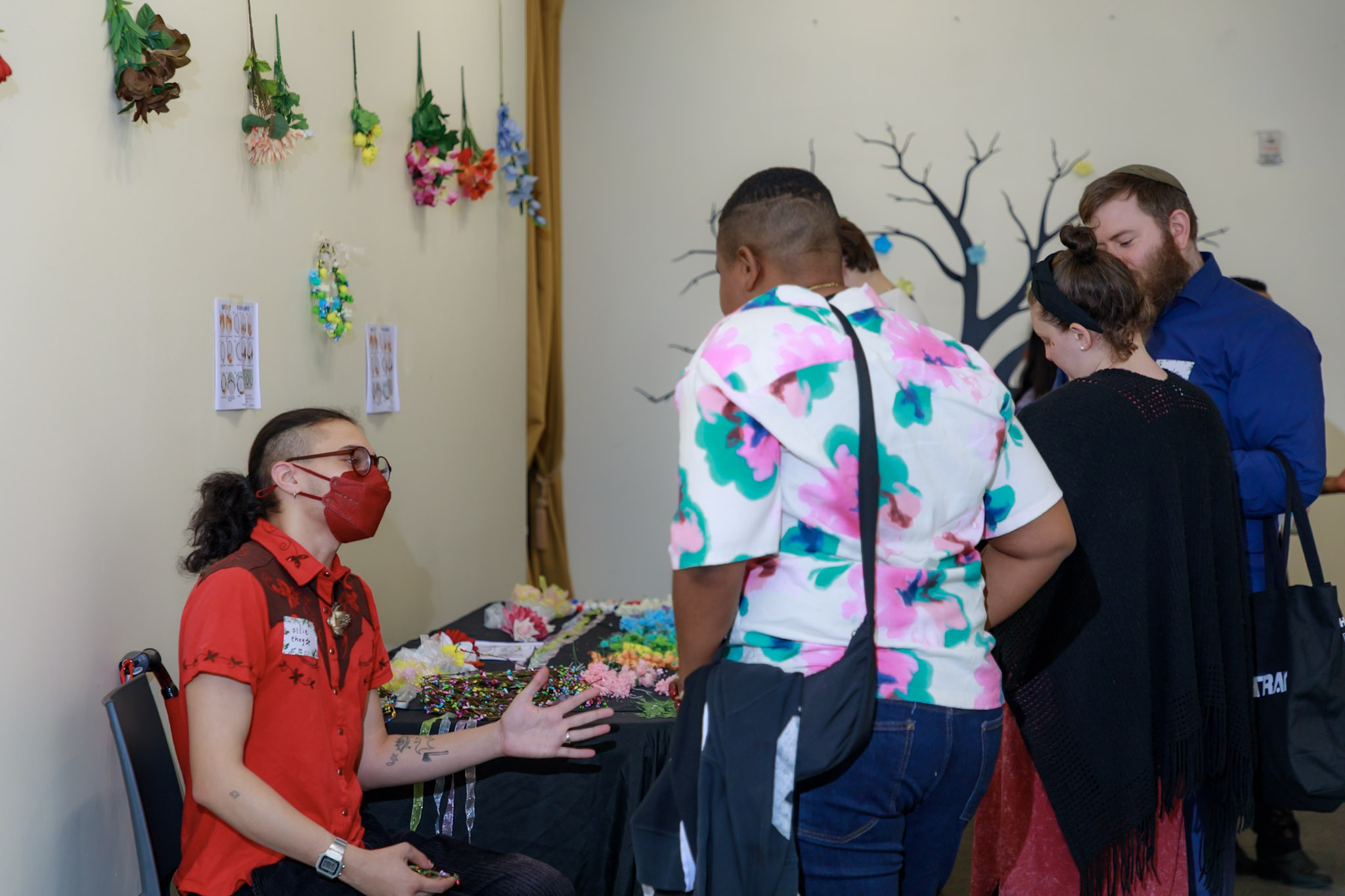
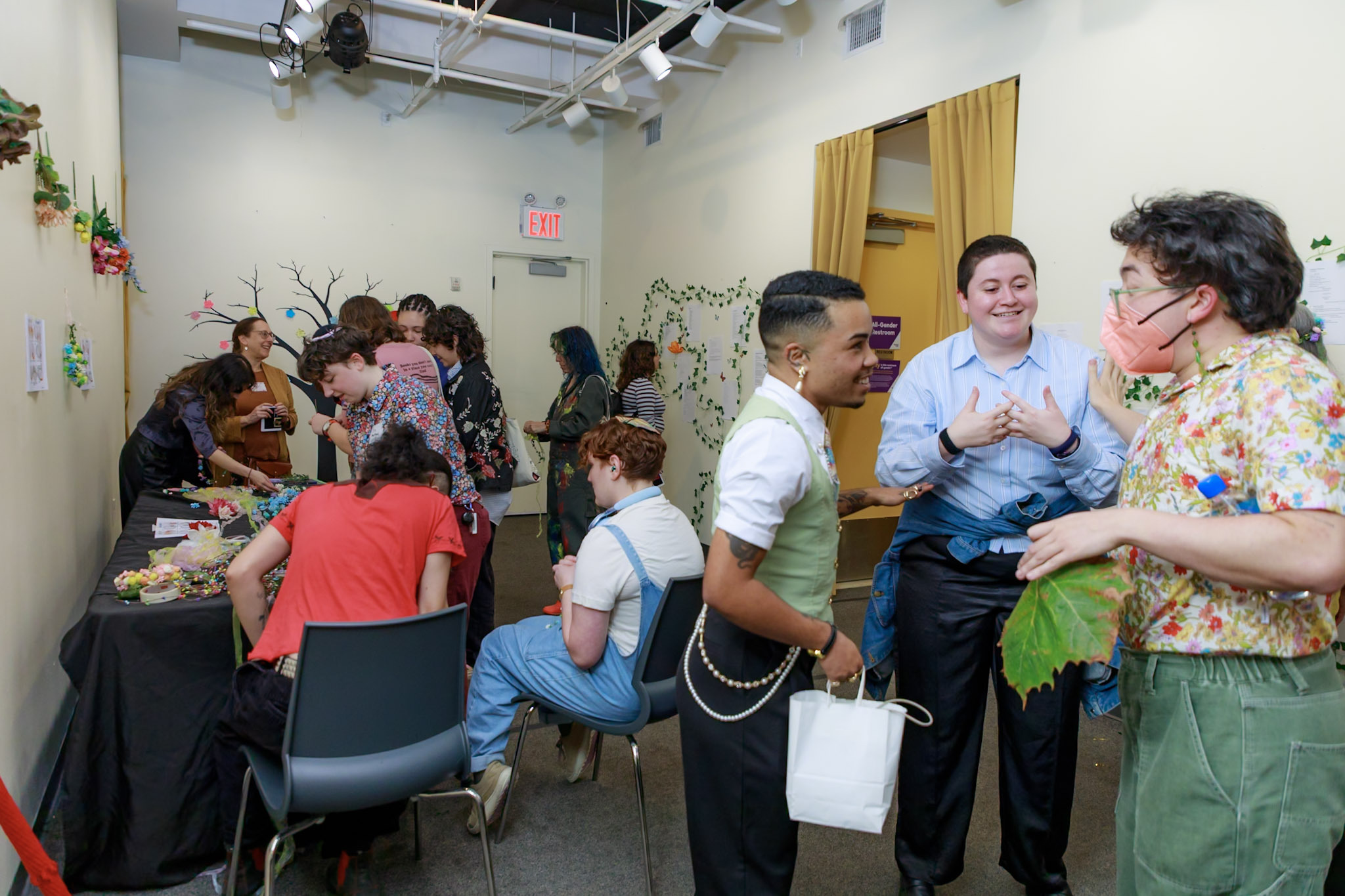
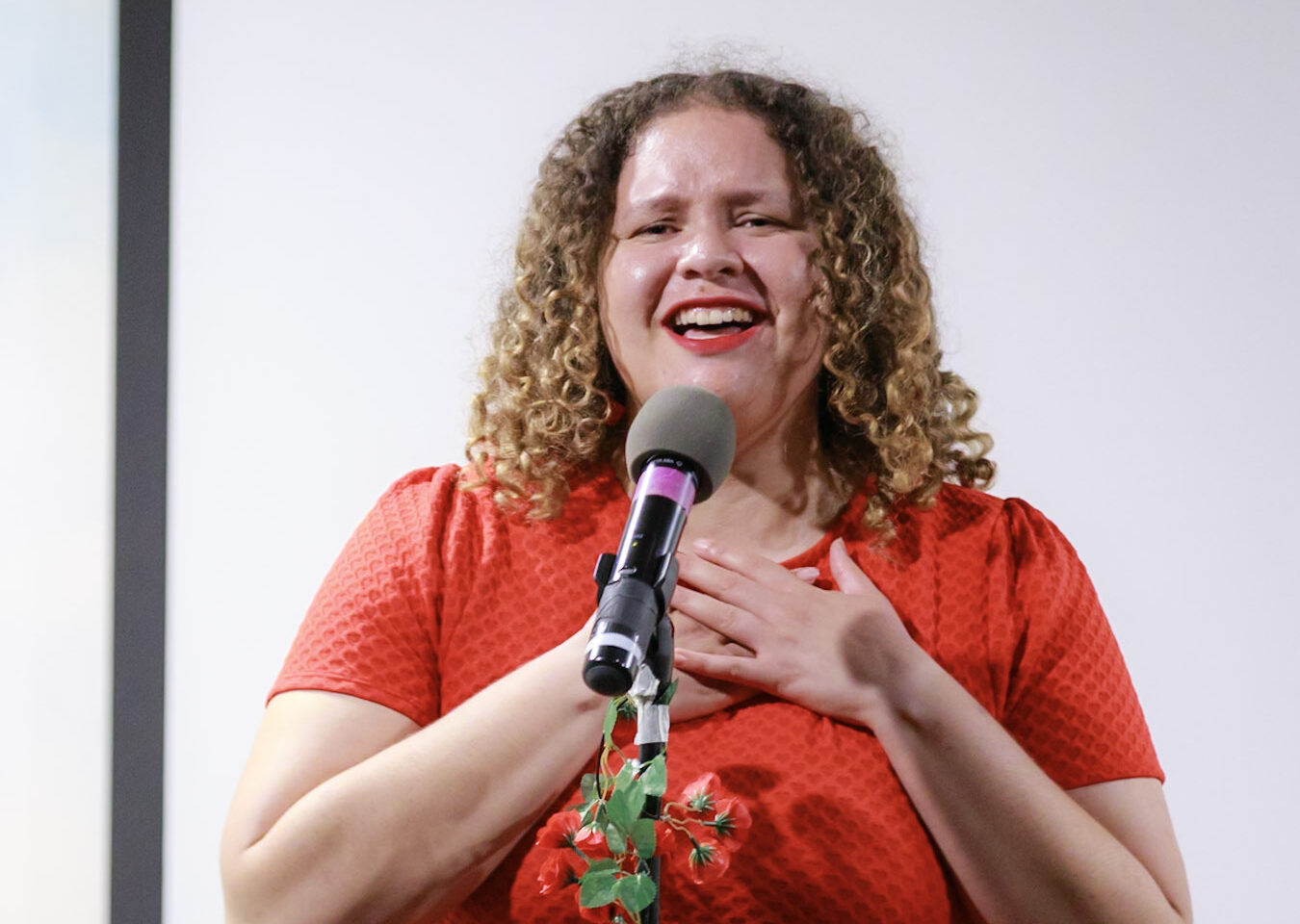
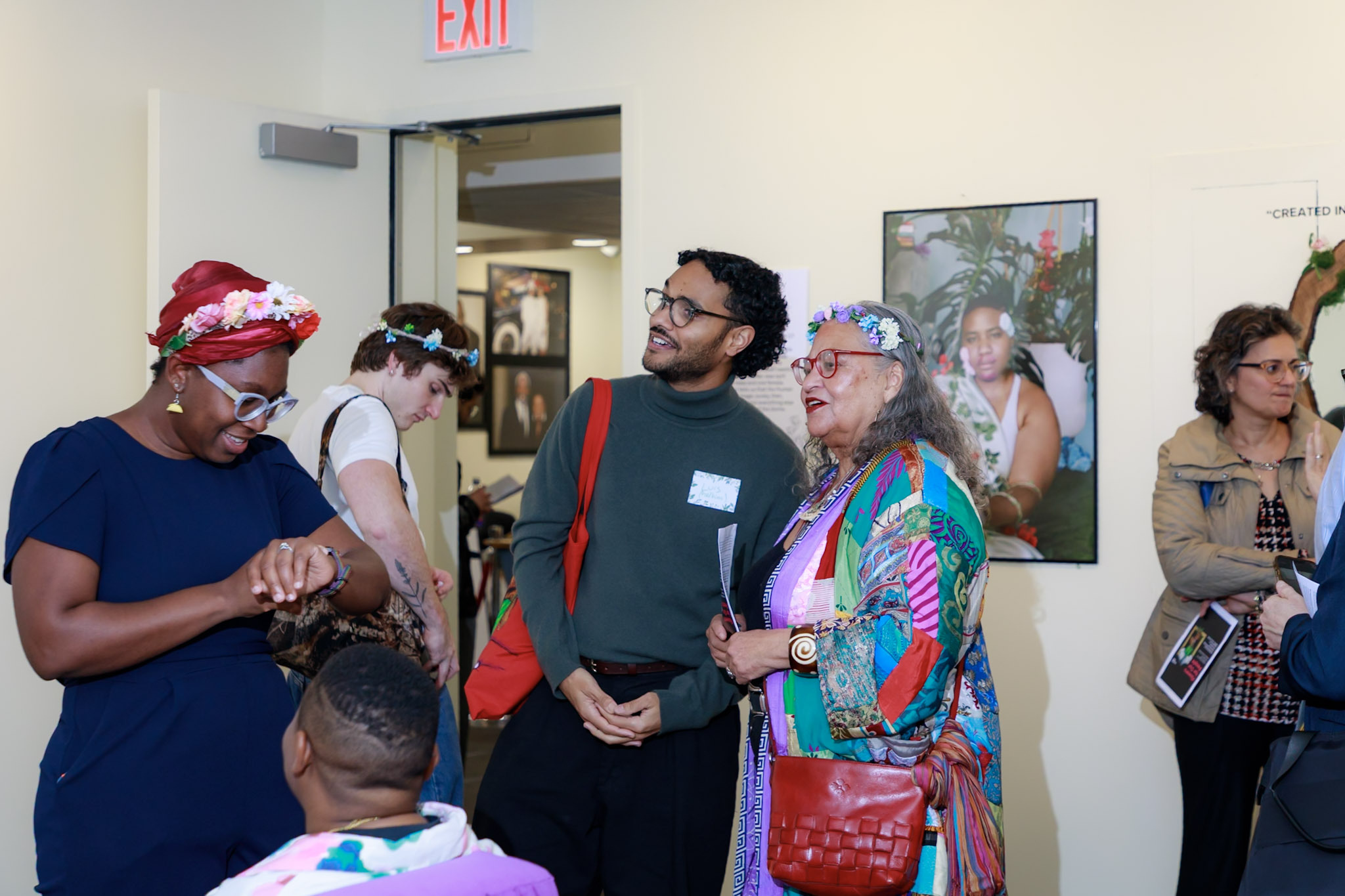
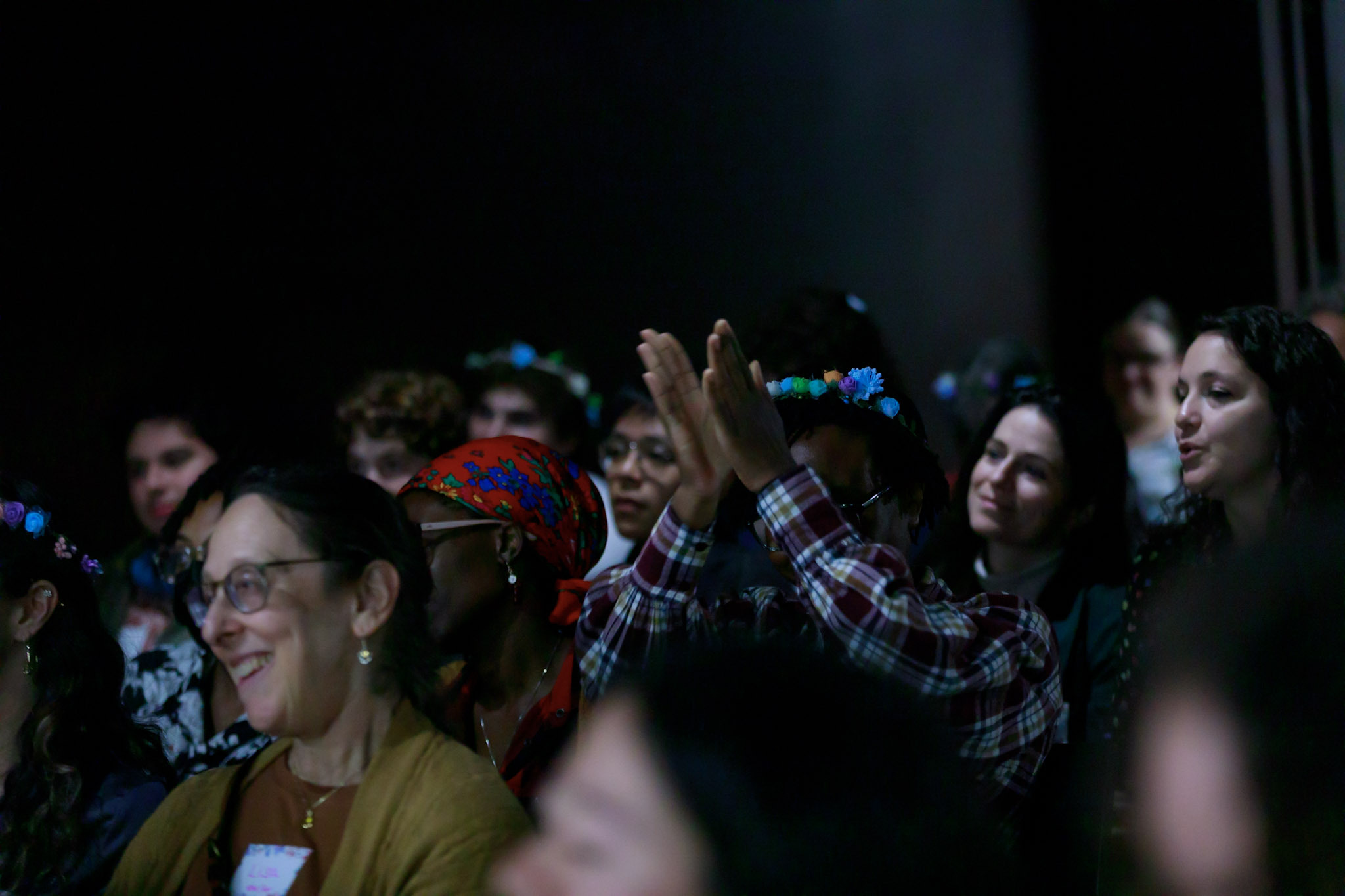
Click each image to see more photos from the gallery.
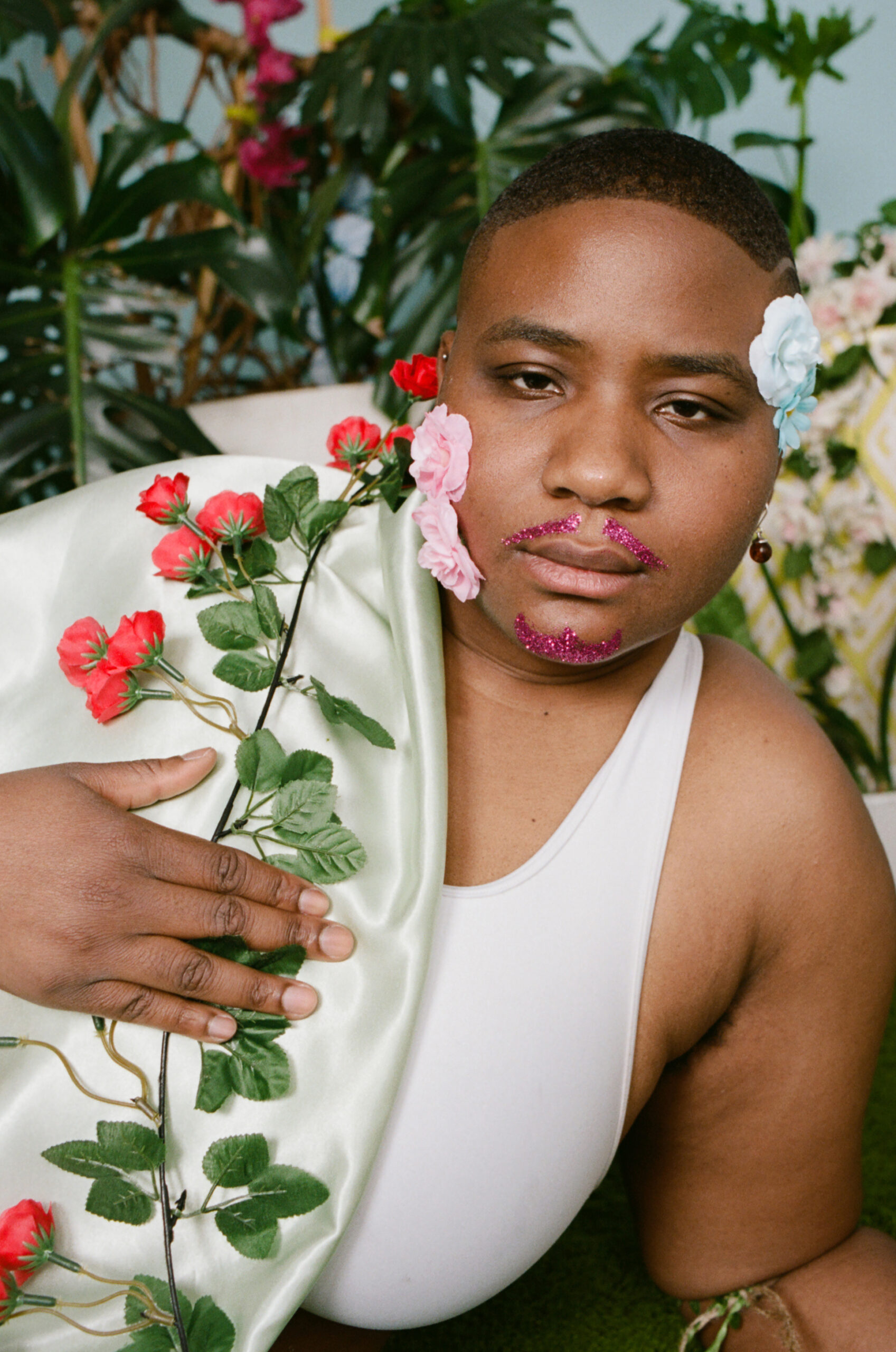
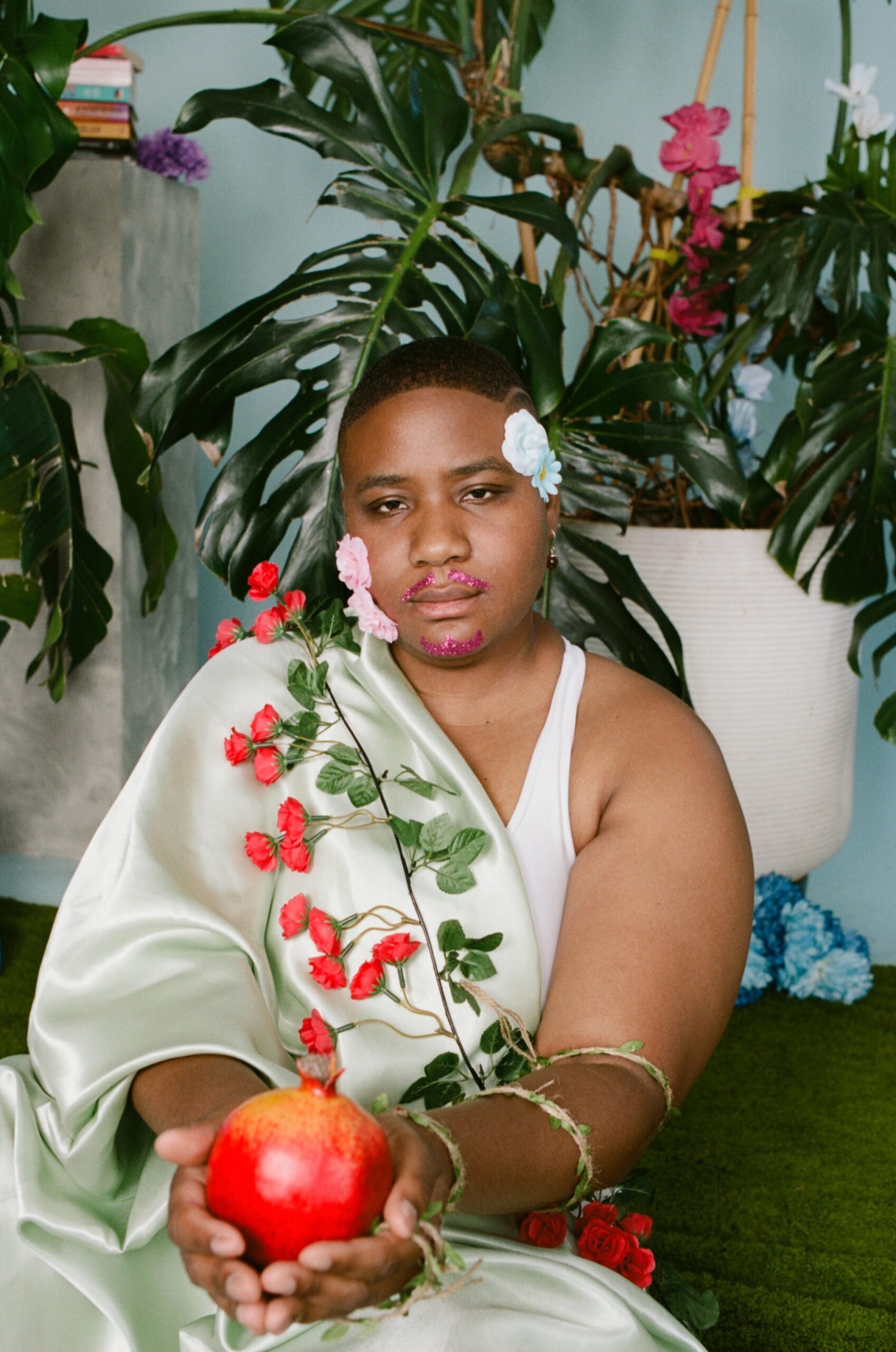
When reading the first two chapters of Genesis, a number of questions may arise. One of these questions is: were man and woman created at the same time (as seen in Genesis 1) or was man created first and woman then created out of man’s pre-existing body (as depicted in Genesis 2)? As a way of rectifying this seeming contradiction, the rabbis suggested that the first human — HaAdam, The Adam — was created as both male and female in one. It was only after they found themself needing companionship that the Human was split into two parts, one male and one female. The biblical narrator tells us that the Human was created in G-d’s image; surely, then, all of us — men, women, and everything else — are all sacred reflections of the divine.
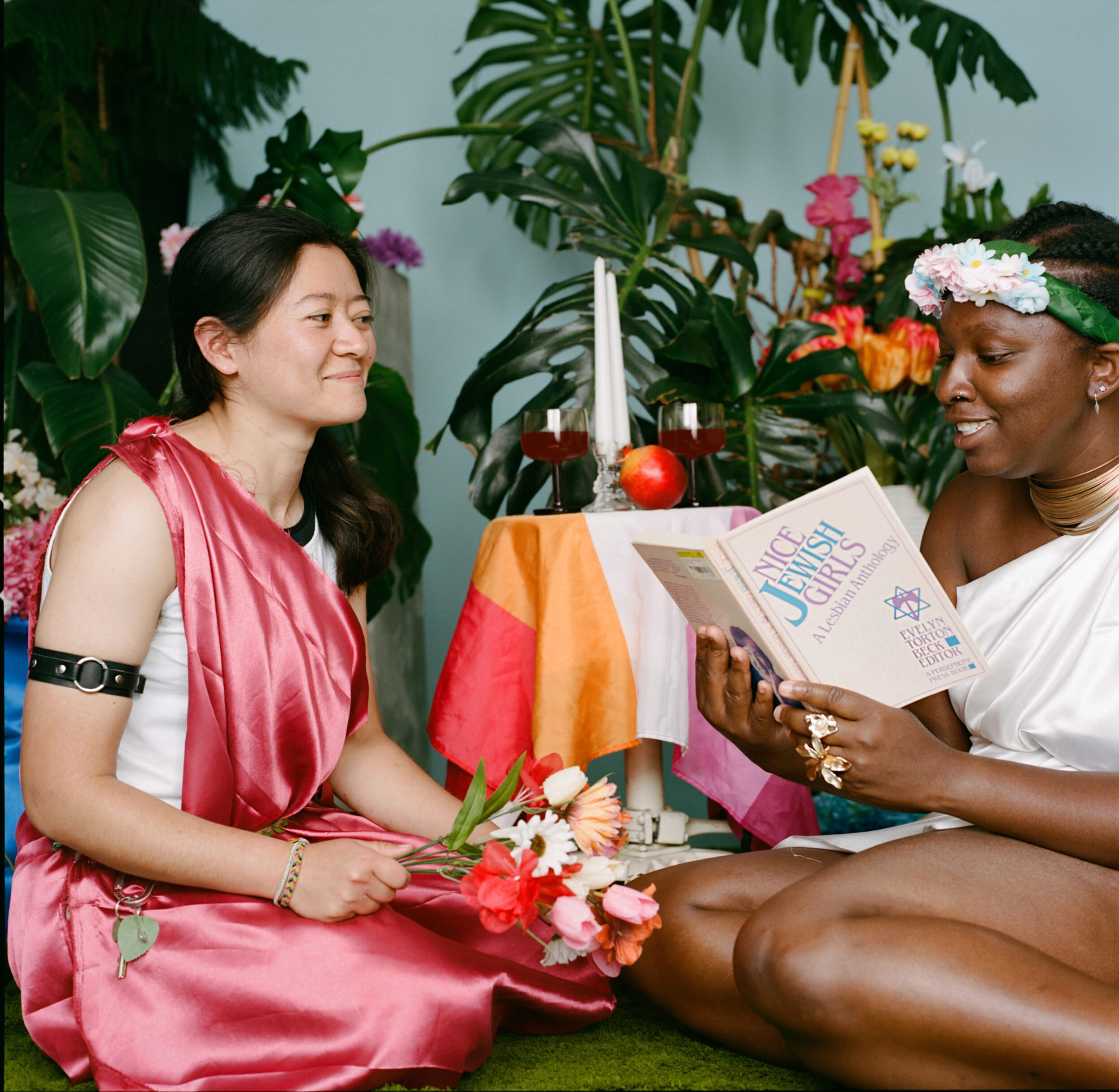
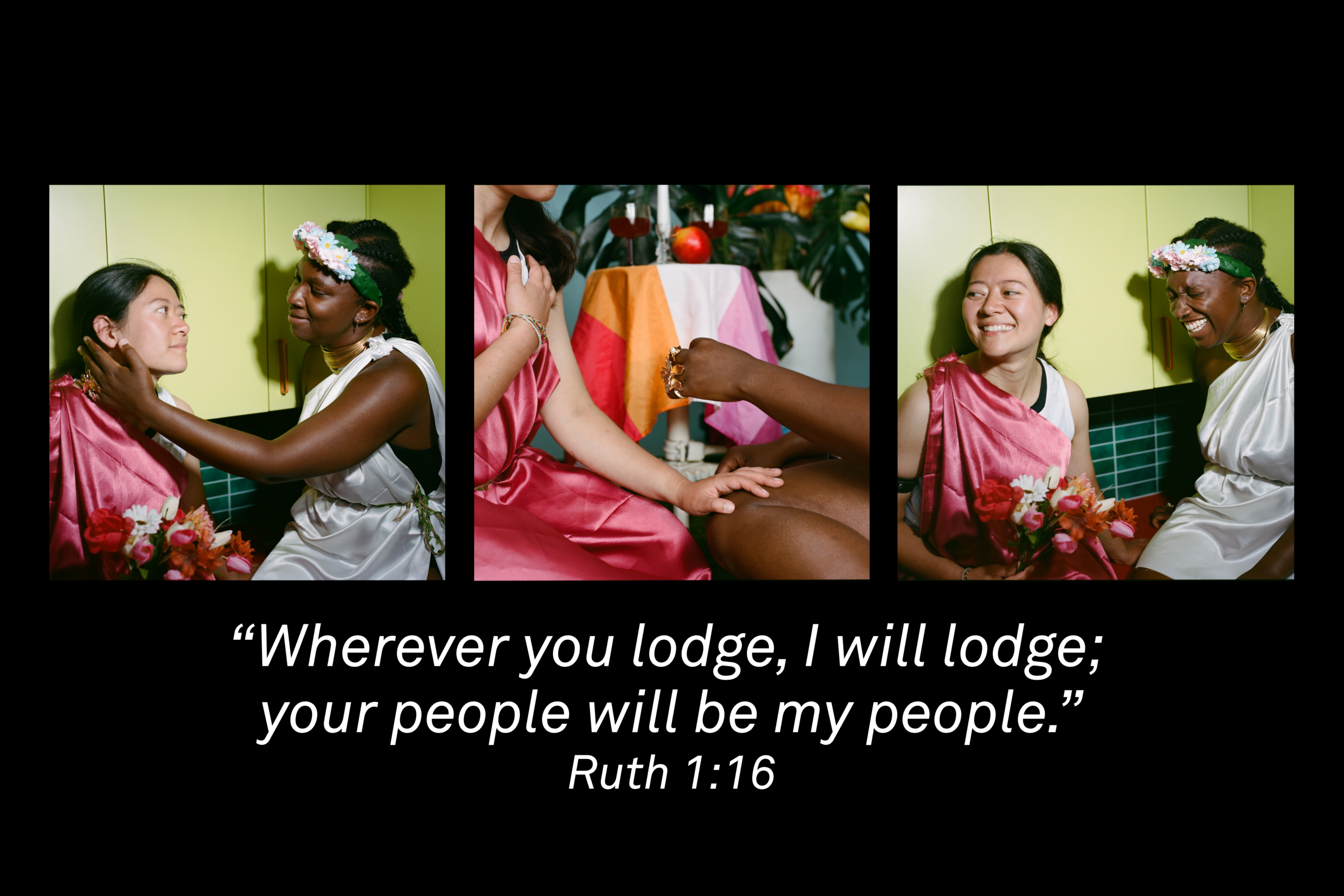
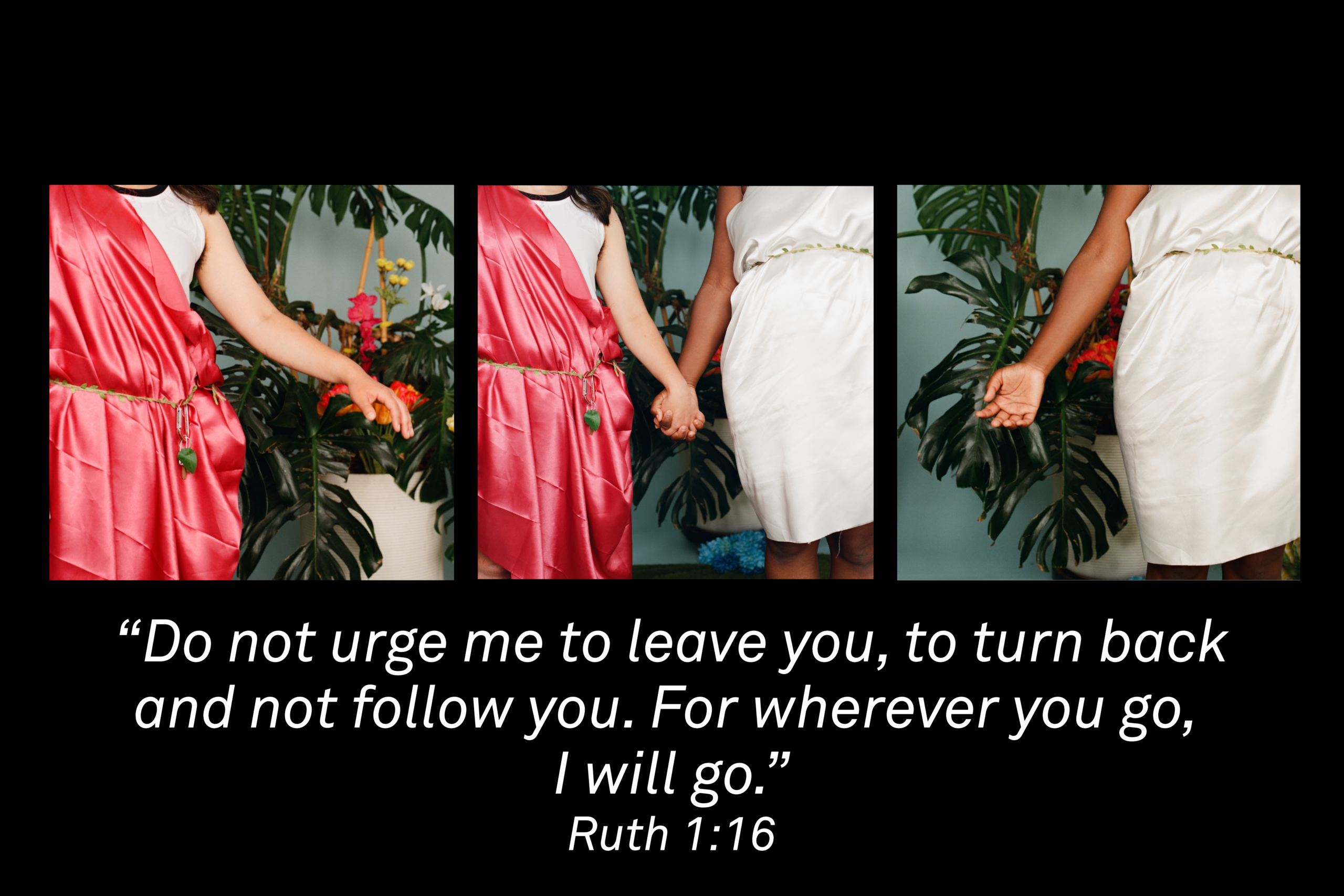
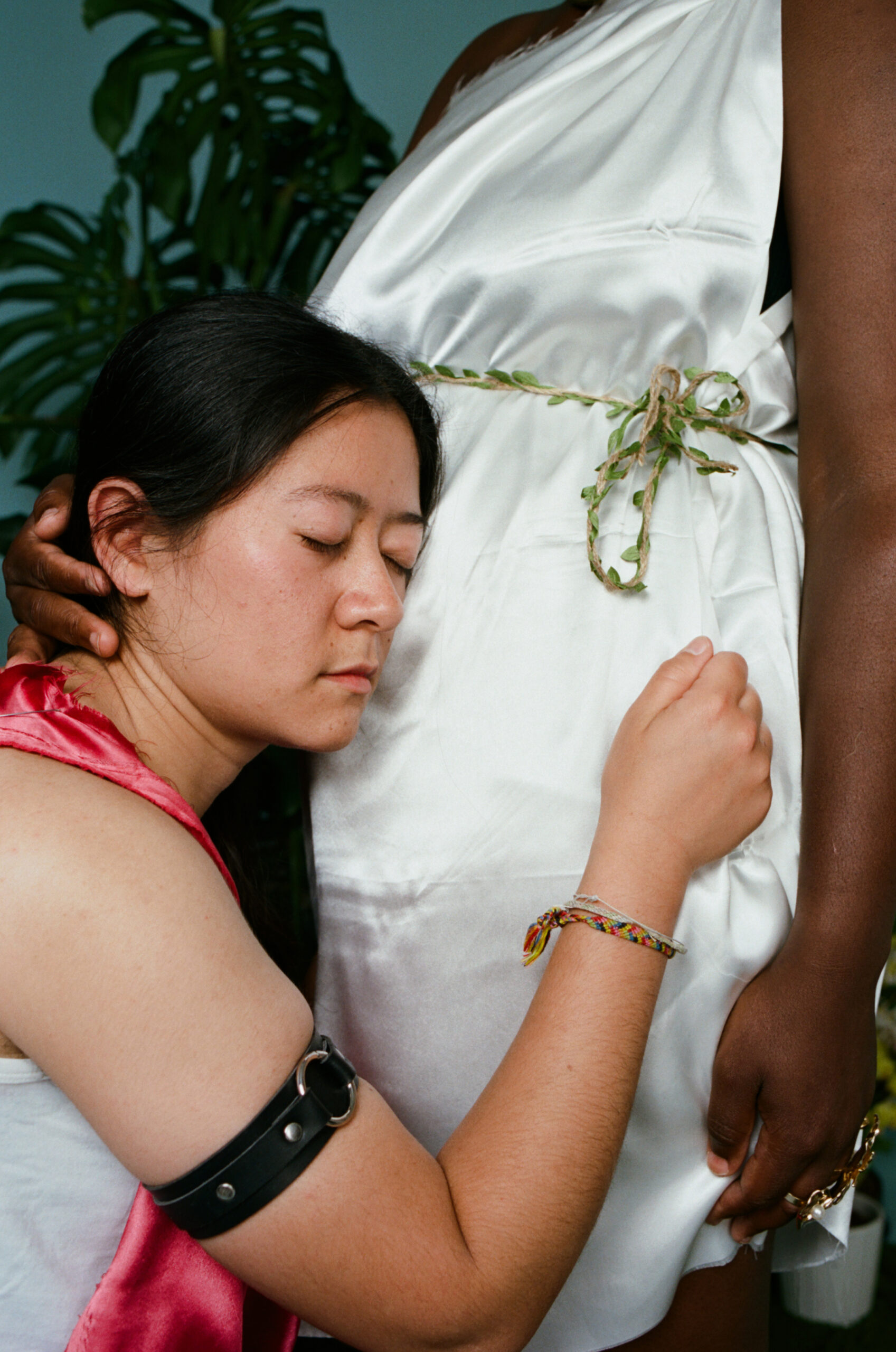
“Wherever you go, I will go. Wherever you dwell, I will dwell. Your people will be my people, and your G-d will be my G-d” (Ruth 1:16). This verse — an expression of love so powerful that it has been adopted into many modern (even heterosexual) wedding ceremonies — is spoken by Ruth to her mother-in-law Naomi after the death of her husband, Naomi’s son. Although the main plot of the Book of Ruth follows Ruth’s search for a new husband to support her and Naomi, the underlying theme is these two women’s devotion to each other. Even after Ruth remarries and bears a son, he is not called her husband’s child: rather, the women in their community would say “a son is born to Naomi!,” furthering the suggestion that Ruth and Naomi are wedded to each other in all but name.
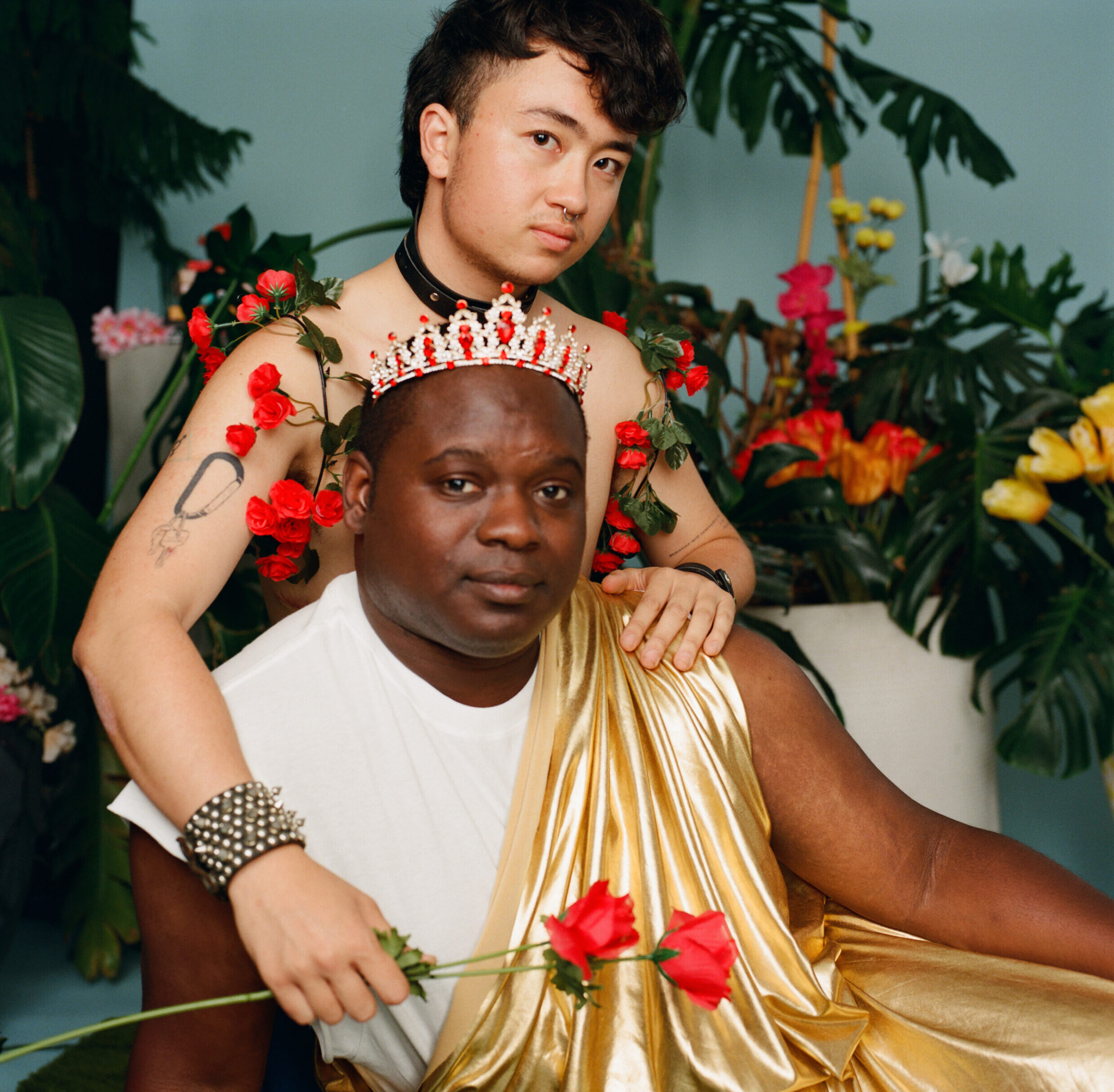
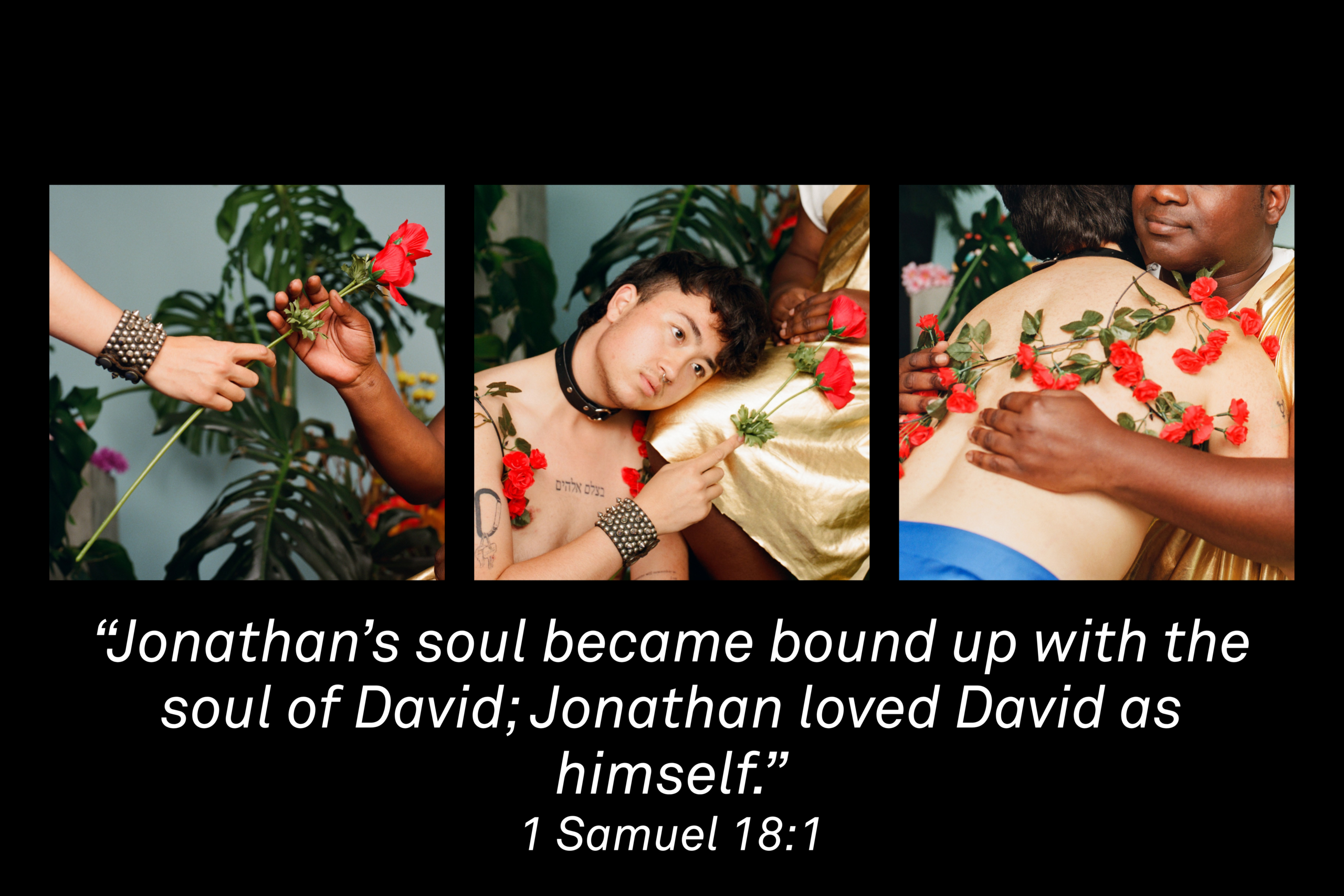
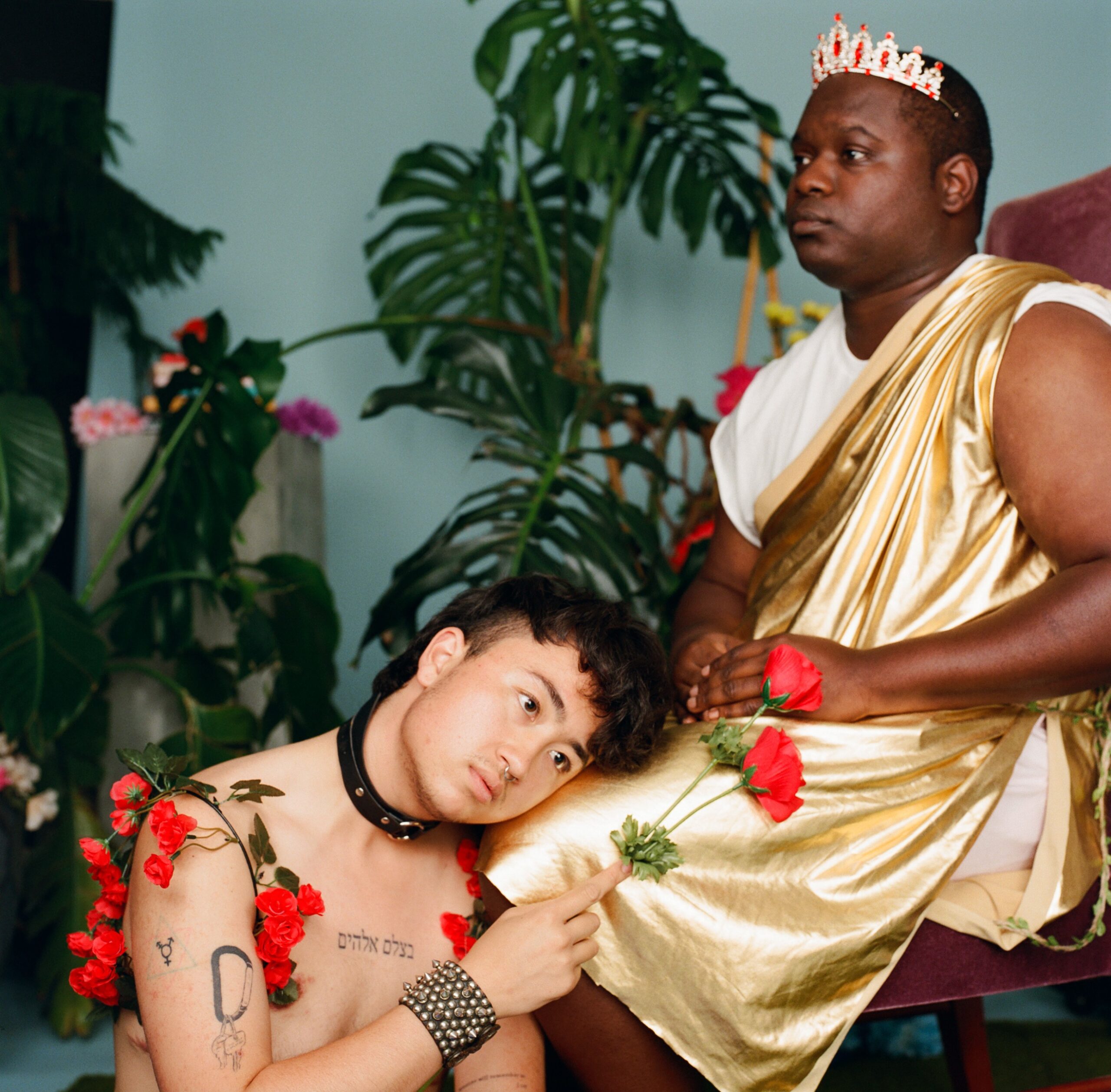
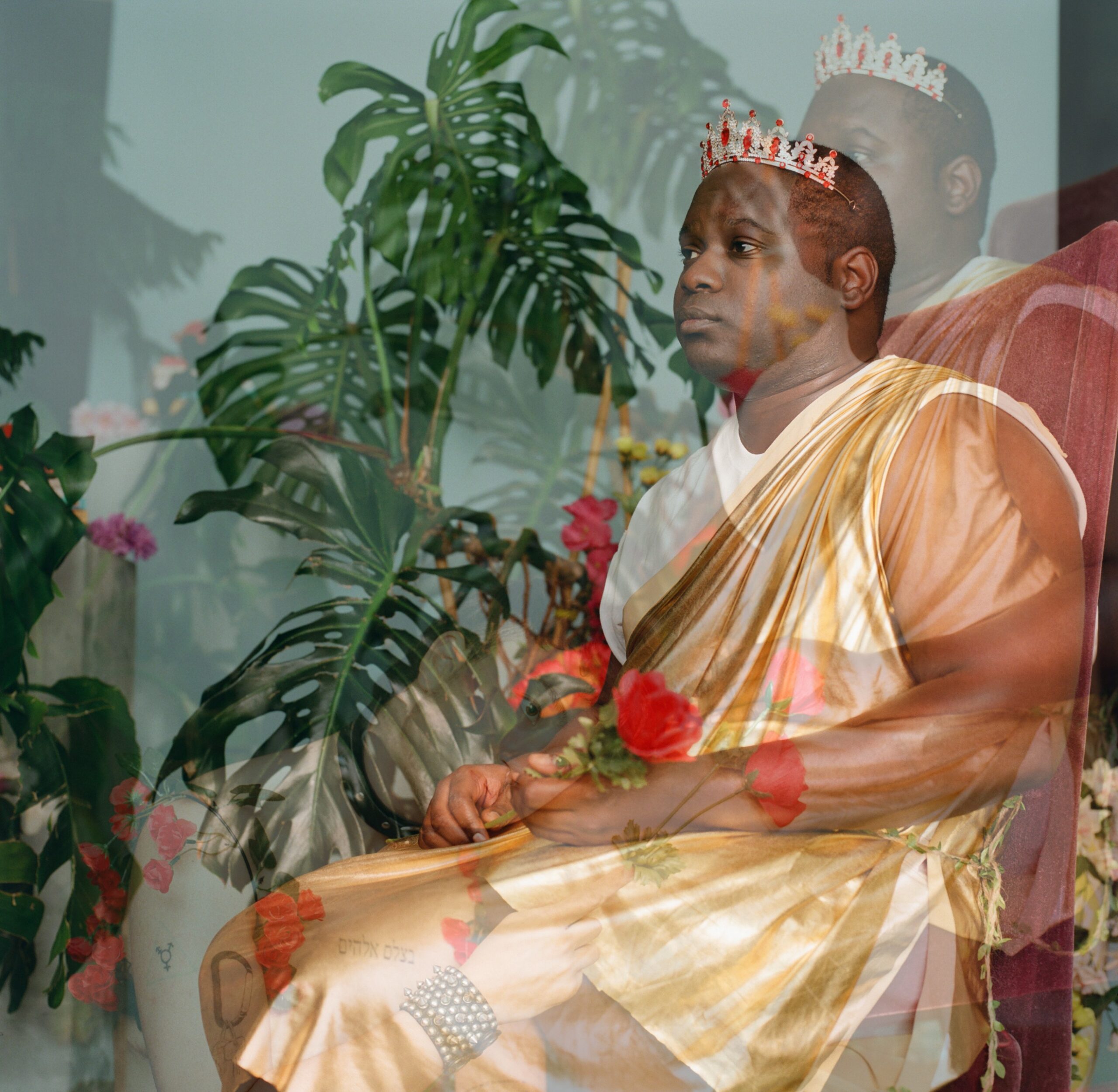
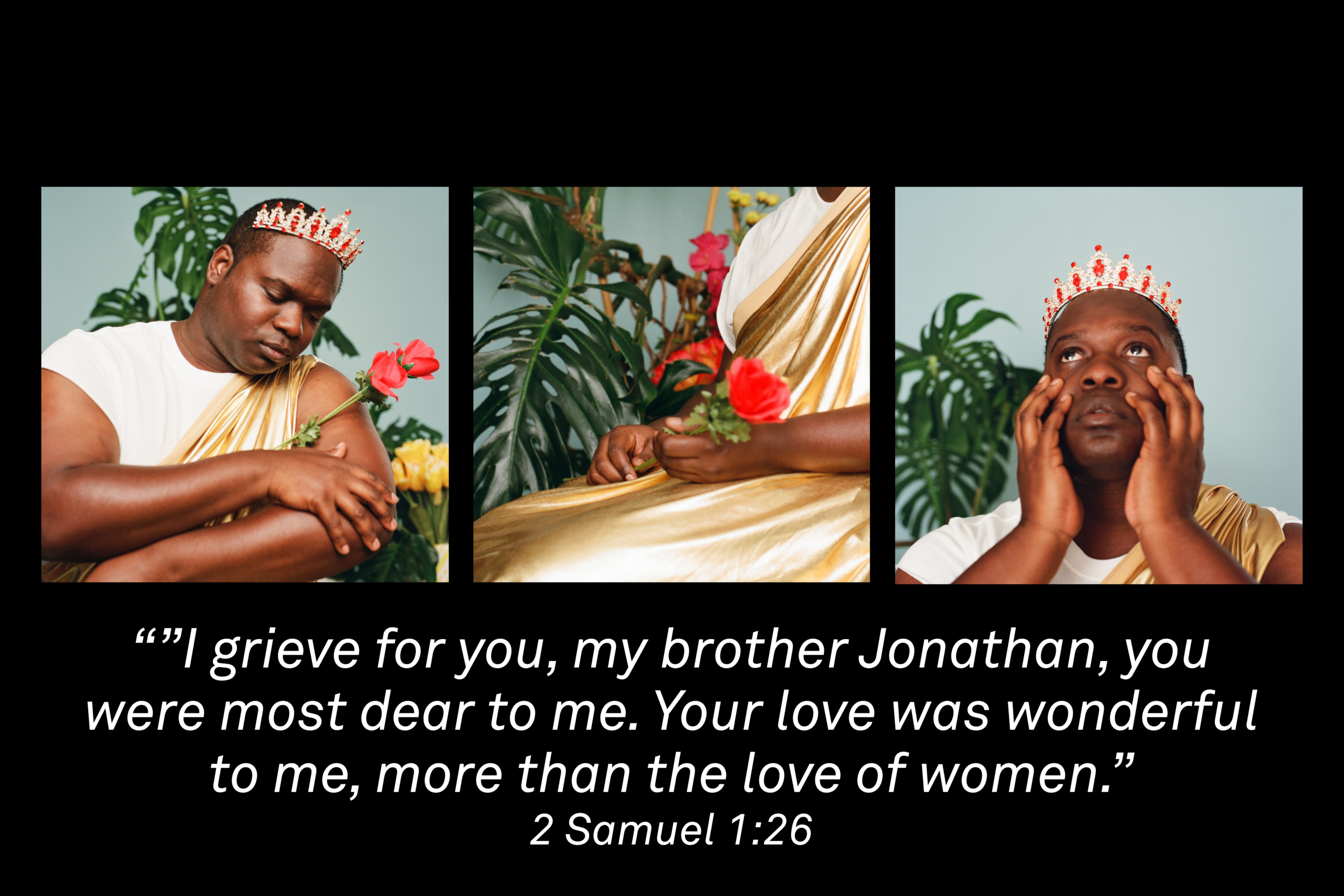
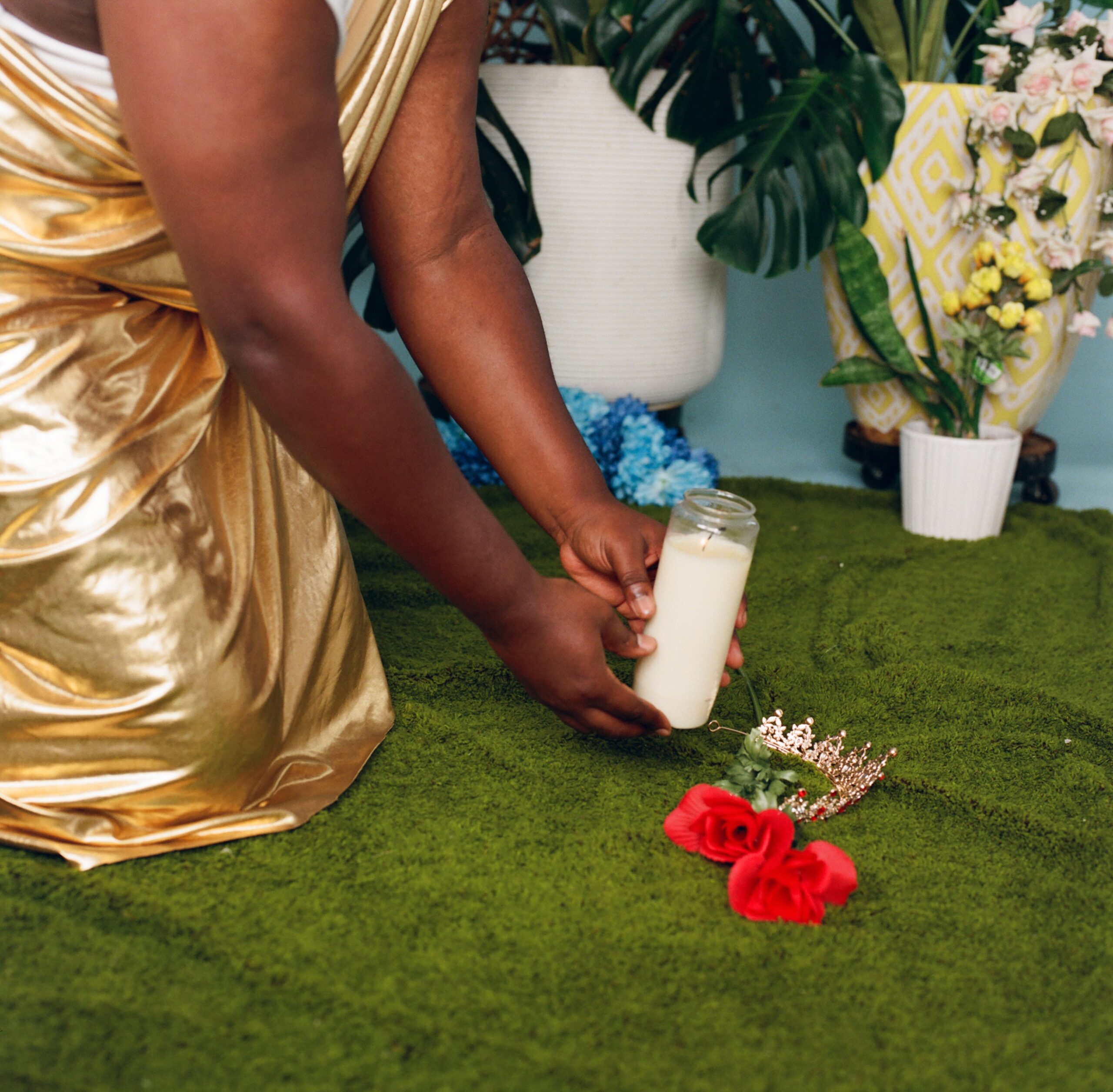
Visiting David in the wilderness of Horesh, Prince Jonathan promises that “[David] will rule over Israel and [Jonathan] will be second to [him]” (I Samuel 23:17). Tragically, this is their last ever meeting: Jonathan dies before his vision of the future can be achieved. In this photo series, we imagine a world where Jonathan’s dream came true.
Through their short time knowing each other, David and Jonathan make three covenants declaring and affirming their relationship, bookended by intense expressions of love. When they first meet, we are told that “Jonathan’s soul became bound up with the soul of David, and Jonathan loved David as himself” (I Samuel 18:1). After Jonathan’s untimely death, David mourns him, lamenting that Jonathan was “so precious” to him and that Jonathan’s love was “more wonderful… than the love of women” (II Samuel 1:26). Though this story ends in sorrow, it is a beautiful, timeless representation of queer love, showing that we have, truly, always been here.
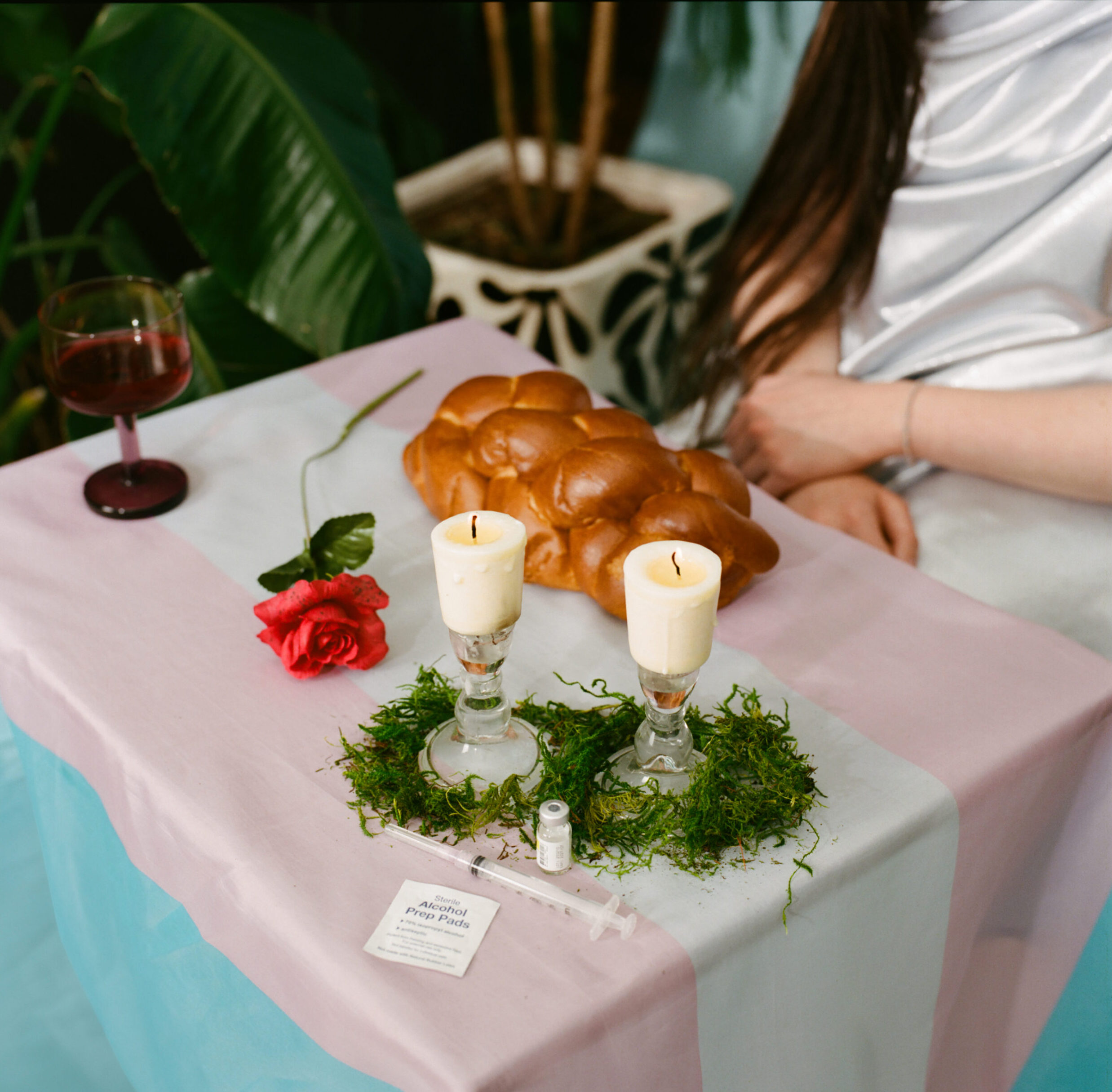
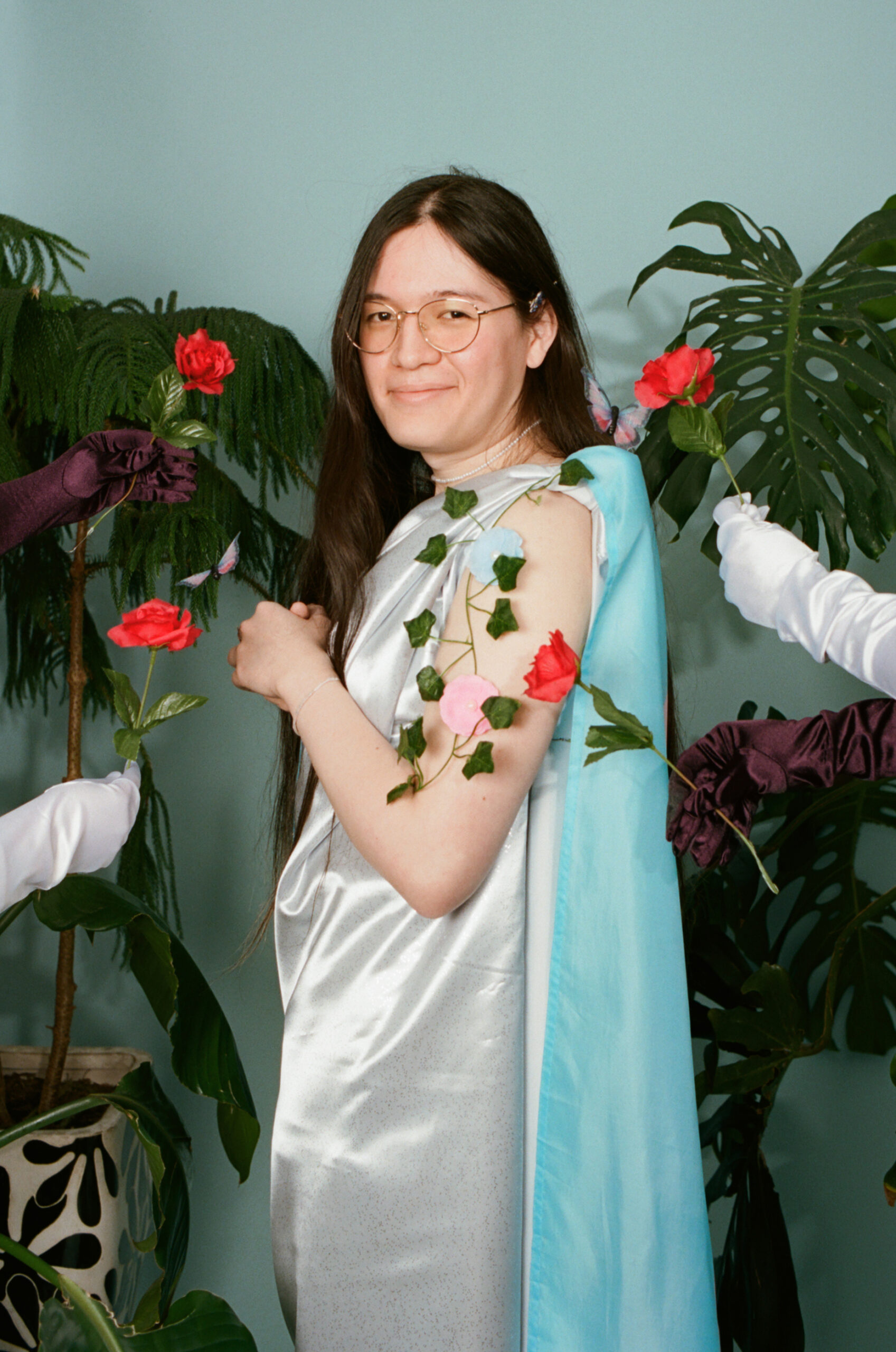
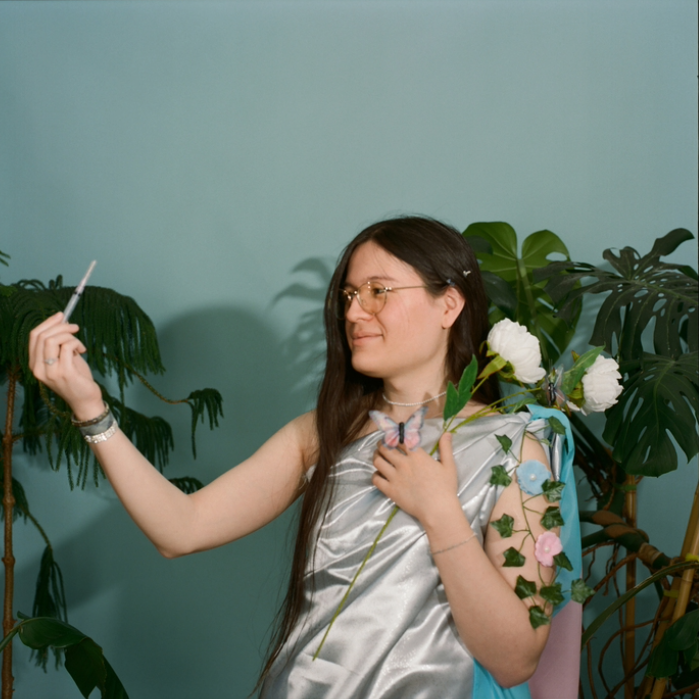
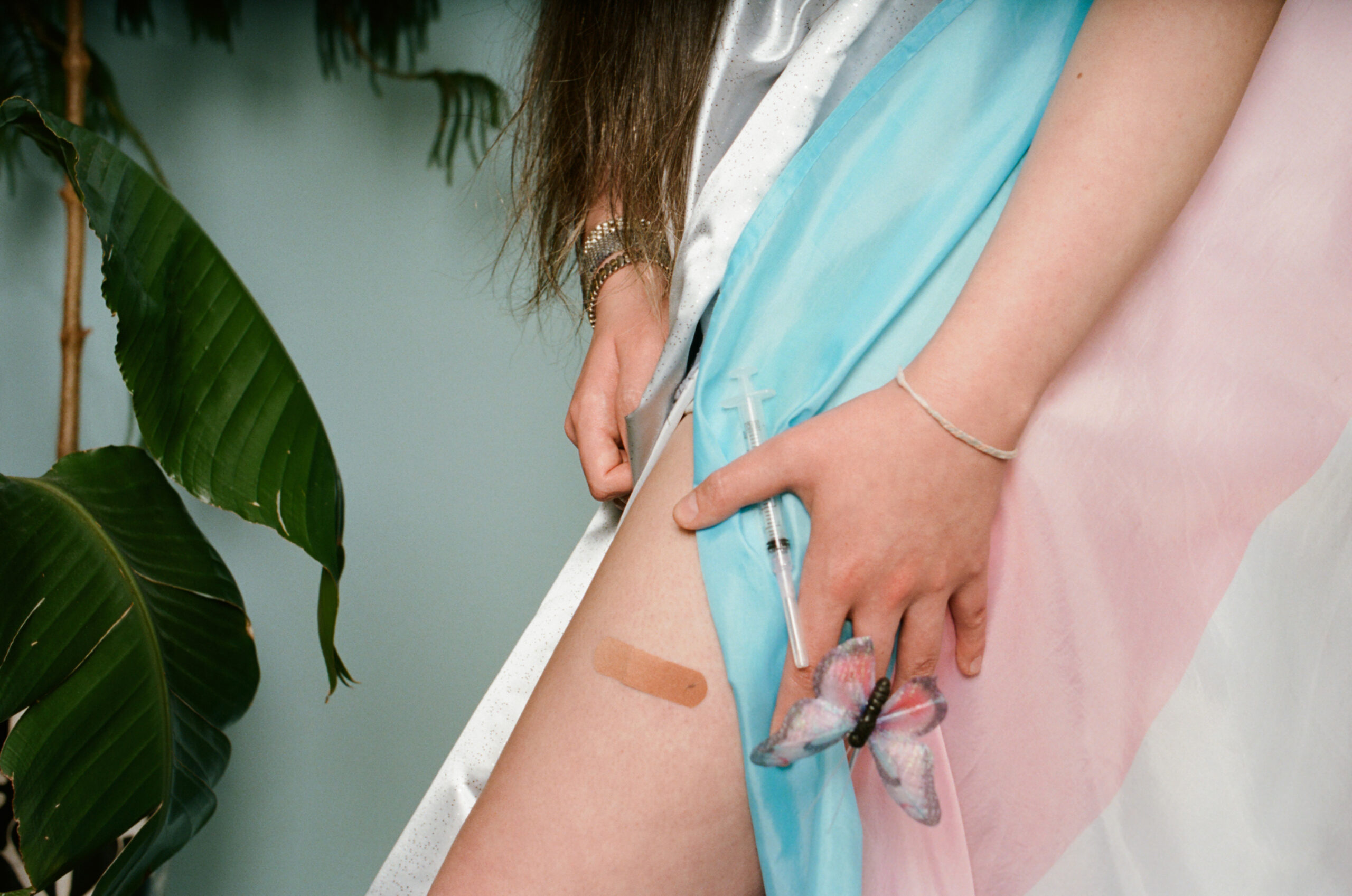

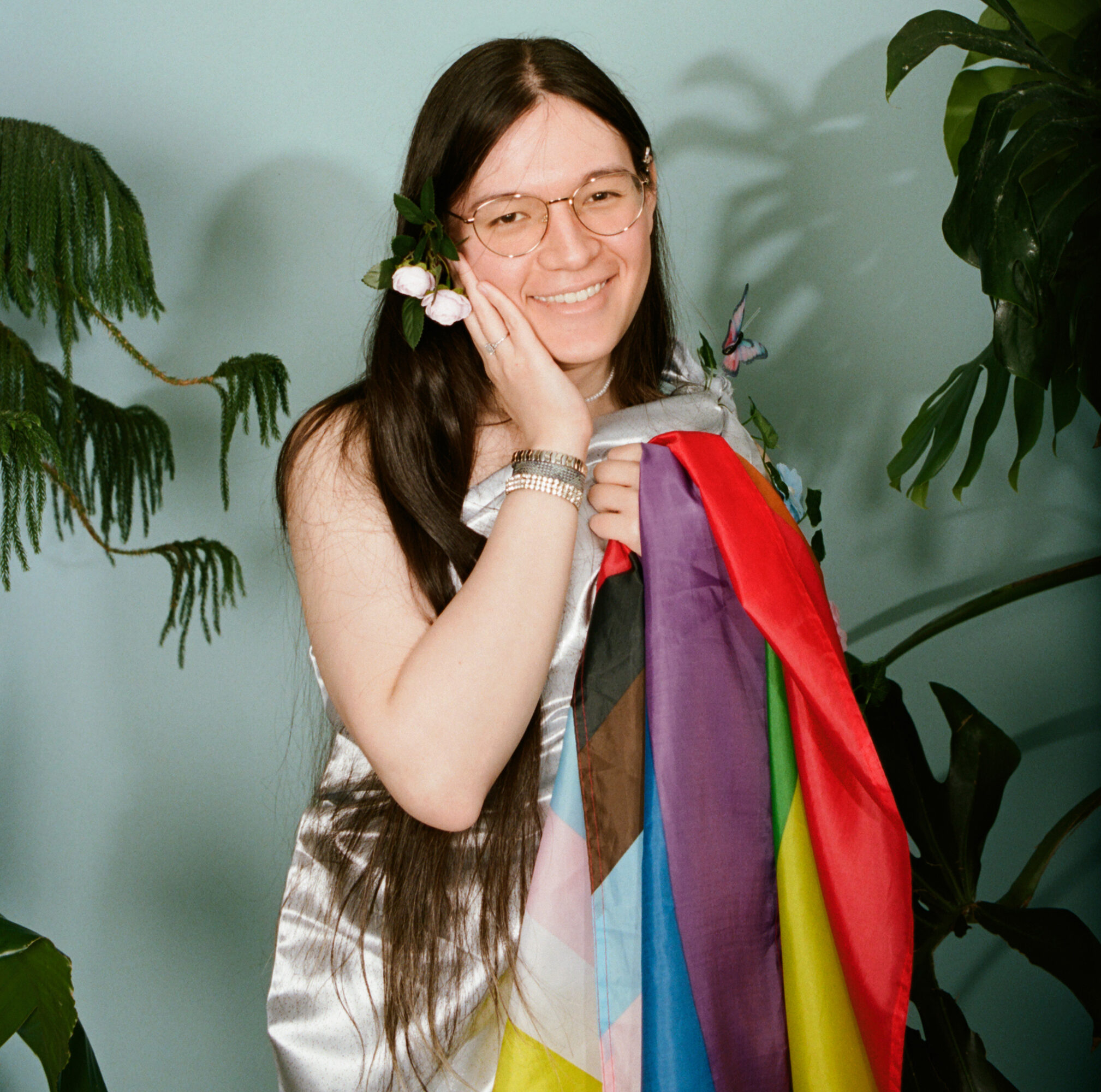
While being trans is nothing new, it is only in the modern era that trans people not only have the language to describe their experiences, but also the ability to transition both socially and medically. In these photos, we imagine a version of Joseph who embodies all of these possibilities.
Midrashim on the Book of Genesis teach that Joseph was originally conceived as female, but was physically changed to male in the womb (and vice versa for Joseph’s half-sibling Dinah). Through our modern lens, the narrative of being born into a “male” body with a female soul reads exactly as we now understand the trans feminine experience. With this new understanding of Joseph, many other seemingly disparate parts of her story suddenly make perfect sense. The term for Joseph’s “technicolor dreamcoat”, k’tonet passim, also appears in the Book of Samuel to describe the “princessly robes” worn by Tamar, King David’s daughter. Rather than Jacob unfairly favoring one of his children with this gift, perhaps he recognized his daughter for who she really was and attempted to provide her with gender-affirming clothing—an act tragically misunderstood by Jacob’s sons, leading them to commit horrible acts of violence against their vulnerable sister for innocently expressing her identity. Later in Egypt, Pharaoh changes Joseph’s name to Zaphenath-Paneah, meaning something like “revealer of hidden things”—a perfect name for a trans woman who, after years of hardship and ostracization, is finally able to live openly as her true self.
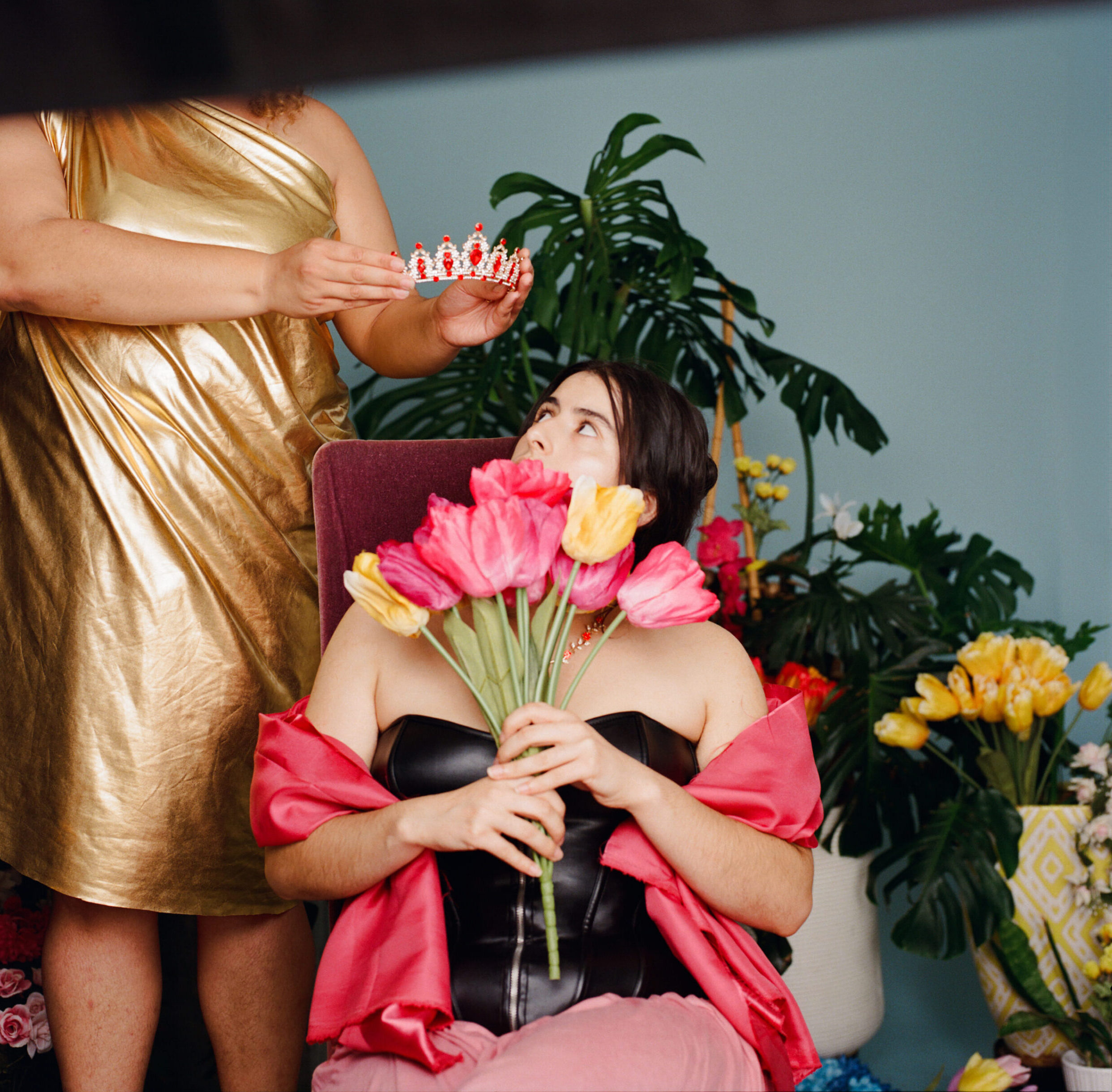
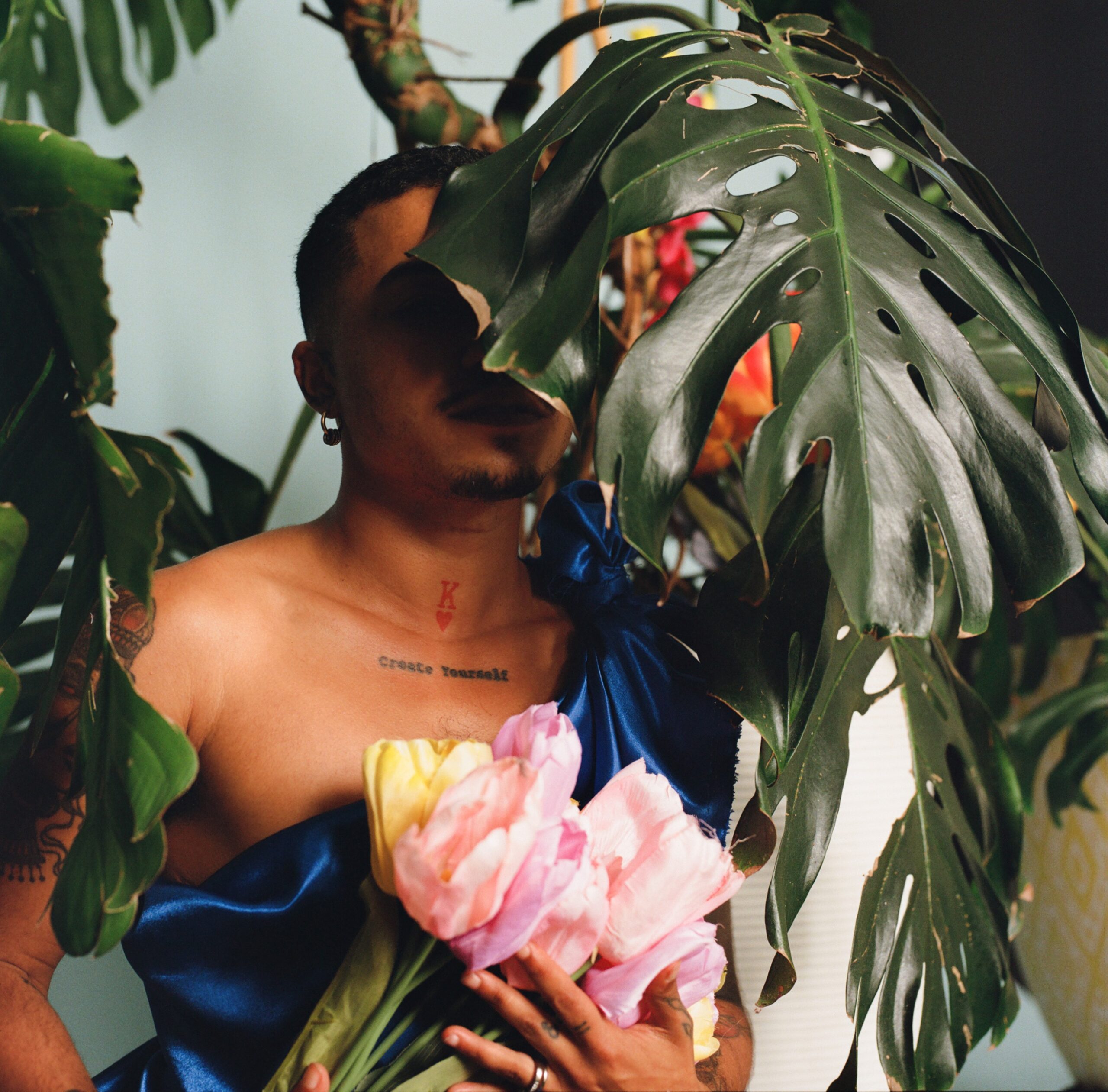
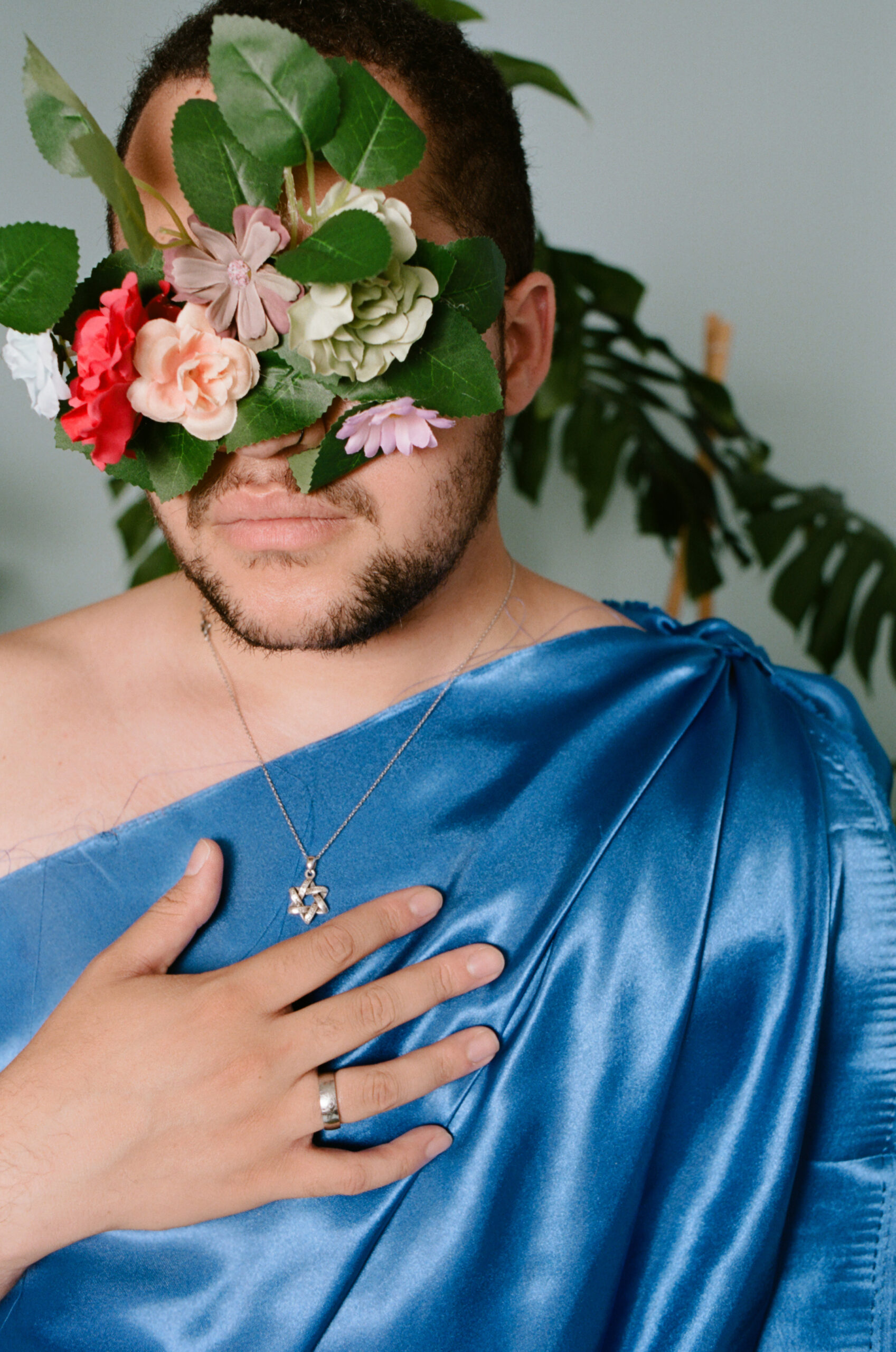

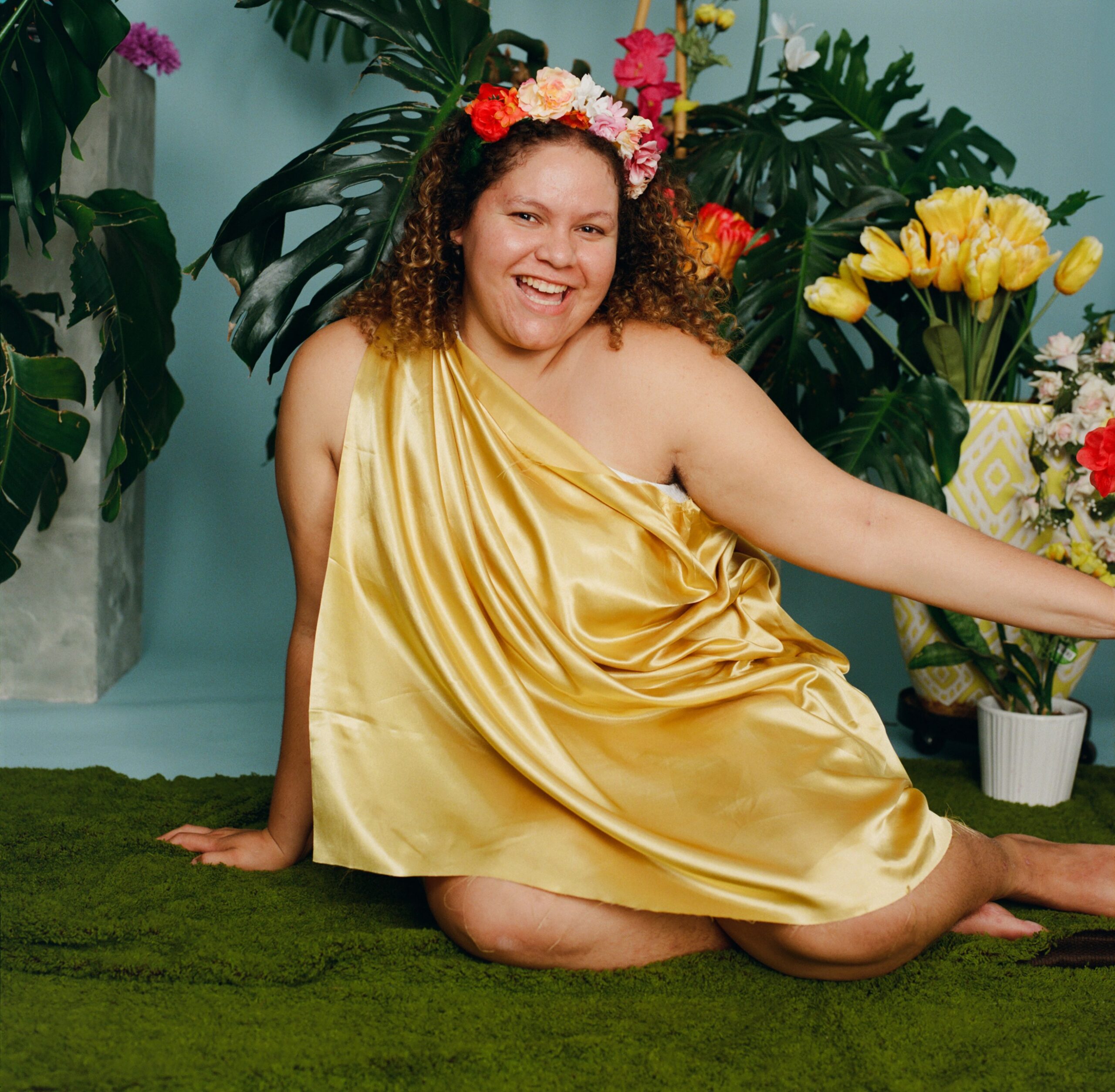
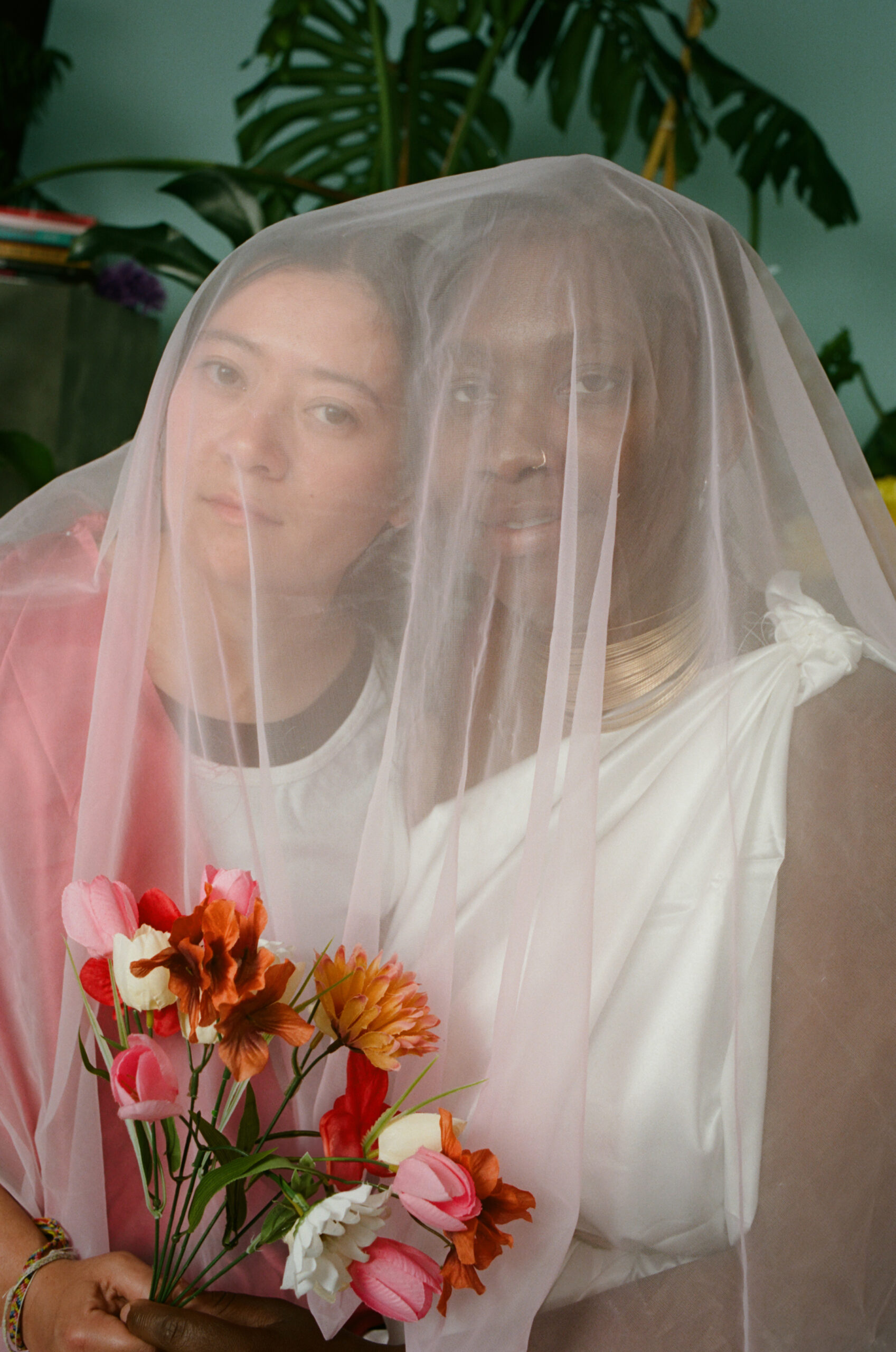
While not a queer narrative at first glance, the story of Queen Esther is powerfully relatable to anyone who has ever been in the closet, unable to reveal their true selves. Born Hadassah, the future queen goes by Esther: a non-Jewish name, related to the goddess Ashtoreth, to help her blend into her Persian surroundings. Esther is also connected to the Hebrew root s-t-r, meaning “to hide.” As she enters the royal household, Esther is forced to keep her Jewish identity hidden, though she is eventually required to out herself in an act of incredible bravery in order to save her people. To all the members of the LGBTQ+ who are still closeted, know that you are incredibly strong. We pray that one day we will live in a world where everyone is free to express their true selves.
Production
Photographer: Luis Mercedes Winter
Creative Director: Sage Cassell-Rosenberg
Production Manager: Is Perlman
Production Assistant: Ariella Cohen
Models
Adam: Jess Moore
Ruth: Rachel Chang
Naomi: Natan Rahav
David: Joshua Maxey
Jonathan: Is Perlman
Joseph: Riley Chang
Esther: Rachel Sadaty-Ellerson
Esther Extra 1: Sage Cassell-Rosenberg
Esther Extra 2: Elliot Porcher
Esther Extra 3: Bri Watson

National Office - Boston
1860 Washington St.
Newton, MA 02466
Phone: 617.524.9227
New York / Bay Area / Chicago / Florida / Texas